Betting Sites That Accept Virtual Dollar Card in Nigeria: Why Most Cards Get Declined, MCC 7995 Explained and What Actually Works
Welcome bonus for new players + fast crypto payouts. Just helping a brother out.
18+. Crypto deposits. Cloudbet is licensed in Curaçao, not in Nigeria. Ad: we may earn a commission. Bet only what you can afford to lose.
Updated ·  Written by Tunde Adebayo ·
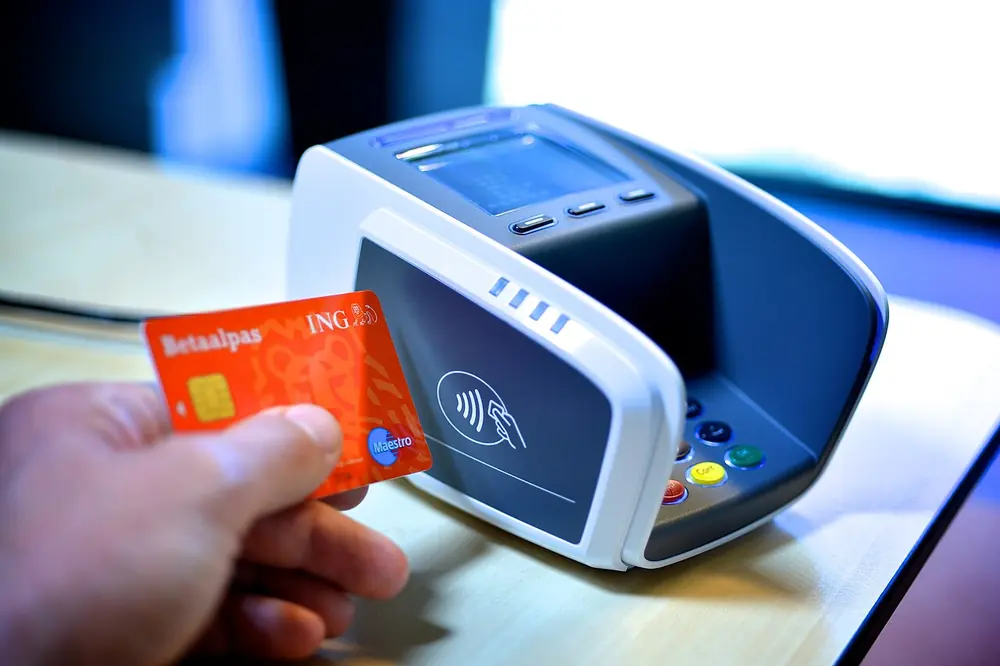
You create a shiny virtual dollar card on your fintech app, fund it with ₦30,000, paste the details into an offshore sportsbook and... "Transaction declined". You try again. Declined. By the third try the app sends you a warning about your card. If this sounds familiar, you're not alone, and it's not bad luck. Let me break down, brother to brother, why it happens, which part of the system is saying no, what it can cost you, and what people who bet in dollars from Nigeria actually do instead.
18+ only. Since the Supreme Court judgment in SC/1/2008 (22 November 2024), betting in Nigeria is regulated by each state, for example by the LSLGA in Lagos, with the NLRC keeping the FCT. Cloudbet, the sportsbook our buttons point to, holds a Curaçao licence and is not licensed by any Nigerian state regulator, so local complaint routes don't cover it. Card-issuer rules quoted below come from the issuers' own help pages and developer docs as published in 2026; your app's terms are the final word. Naira and dollar amounts in examples are made up to show the maths.
The honest answer in one paragraph
Most virtual dollar cards issued by Nigerian fintech apps are set up to refuse betting payments on purpose. It isn't the bookmaker rejecting you, and it usually isn't your balance. The card programme behind the app blocks whole categories of merchants, and betting is one of them. So the list of "betting sites that accept virtual dollar cards" is, in practice, very short and very unreliable. Some offshore sites even refuse card deposits from Nigerian accounts in their own terms. The routes that work more often are local naira methods for local bookies, and crypto for offshore crypto books.
Meet MCC 7995, the code that says no
Every merchant that takes card payments is given a four-digit Merchant Category Code (MCC). It travels with every card payment, so the card issuer knows what kind of business is charging you before money moves. The code for betting is 7995: "Betting, including Lottery Tickets, Casino Gaming Chips, Off-Track Betting, and Wagers at Race Tracks".
Here's what some issuers that power naira-funded USD cards publish about it:
| Provider (as published) | What they say about betting |
|---|---|
| Eversend help centre (Sept 2026) | Lists MCC 7995 as "not allowed", with Bet9ja, Merrybet, 1xBet and SportyBet as examples |
| Pouchers help centre | Lists MCC 7995 (examples Bet9ja, Premier Bet, Merrybet) among codes that can get the card blocked, and advises avoiding gambling sites |
| Bitnob card-issuing docs | Blocks 7995 "by default", enforced "at the processor level"; declines show as mcc_not_allowed |
| Maplerad issuing docs | Virtual USD cards rejected at 7995 and at 7800–7802 (lotteries, online casinos, racing) |
| Mercurie (business cards, Aug 2026) | Online casinos and sports betting platforms "strictly blocked" |
Many consumer apps in Nigeria don't issue cards themselves. They sit on top of a small number of card-issuing providers, so one provider's blocklist can apply to several apps at once. That's why switching from app A to app B often gives you the same decline: you may have moved to a new logo, not a new rulebook.
The second wall: crypto purchases are blocked too
A lot of people think, "Fine, I'll use the card to buy crypto, then send the crypto to the bookie." Look at the same lists again. Eversend, Pouchers, Bitnob and Maplerad also list MCC 6051, which covers non-fiat currency such as cryptocurrency, with examples like Coinbase, Luno and Binance. Money-transfer services (MCC 4829, examples Wise and MoneyGram) are blocked on several of these cards as well. So the card is often useless for the indirect route too. It's designed for Netflix, Canva, ads and software, not for moving money into betting or crypto.
What repeated declines can cost you
This is the part nobody puts in the "top 10" lists. Pouchers' help centre warns that repeated failed attempts may trigger holds or restrictions, and it explains that a terminated card has to be recreated, with the remaining balance refunded to your naira wallet. Bitnob's docs list "velocity_limit" and "fraud_block" as separate decline reasons, which tells you that hammering the same card again and again is exactly the pattern the system watches for.
So the real cost of "let me just try one more time" can look like this made-up example:
| Item | Made-up amount | What happened |
|---|---|---|
| Card creation fee | $2 | Paid once to open the card |
| Naira to dollar funding spread | ₦1,200 on ₦30,000 | Rate worse than the market rate |
| Declined-transaction fees | 3 × $0.40 | Some apps charge per decline; check yours |
| Card terminated, new card needed | $2 | Second creation fee |
| Refund back to naira | ₦900 spread | Converted back at a less friendly rate |
None of those numbers are quotes from a specific app. Fees differ and change, so look at your own app's fee page. The point is the shape: you can lose a few thousand naira and a working card without placing a single bet.
"But my friend's card worked on one site"
It happens, and here's why it doesn't prove much:
- Miscoded merchants. Some payment processors bill under a generic code instead of 7995. That can let a payment through today and fail tomorrow when the coding is fixed.
- Different issuer. Your friend's app may use a provider with a different blocklist, or a card from a foreign bank.
- Charge-back risk. If a payment slips through a miscoded merchant, the issuer can later review it, reverse it or close the card. Winnings sitting on the betting site don't stop that.
- Terms breach. Using a card in a way its terms forbid can be a reason to close your account, even if the payment went through.
I'd never build a betting routine on a loophole that can close the account you use for your work subscriptions.
Offshore bookies have their own card rules
Even when a card would pass, the sportsbook can say no. A few examples from published terms:
- VegasAces (terms checked October 2026, clause 2.9): players from Nigeria may open accounts but can't fund them by credit or debit card; crypto is accepted.
- BetUS (terms 5.5–5.6): withdrawals need ID plus copies of cards used, payouts go only to the verified holder, and there's a 72-hour hold after a card deposit before you can withdraw.
- Cloudbet takes crypto deposits; fiat options depend on your jurisdiction, and we haven't seen a virtual-card option for Nigeria in its cashier.
Put those together and you see why chasing a "card-friendly" offshore book is mostly wasted effort for a Nigerian punter.
Decline message decoder
If you've already tried, the message you got tells you what's going on. Wording differs by app, but this is the general meaning:
| What you see | Likely meaning | What to do |
|---|---|---|
| "Merchant not allowed" / "Restricted merchant" | The 7995 block | Stop. It won't change on the next try |
| "Insufficient funds" when you know you have money | FX conversion or a fee pushed the total above your balance | Check the amount in USD plus fees |
| "International transaction blocked" | Card or merchant country is restricted | Check the app's restricted-countries list |
| "Card frozen" / "Suspicious activity" | Too many attempts in a short time | Contact support; don't create new cards to retry |
| "Payment failed" on the bookie's side only | The site refuses cards from your country | Read the site's banking or terms page |
What actually works, by type of bookie
| Where you want to bet | Route that tends to work | Watch out for |
|---|---|---|
| State-licensed naira bookies | Bank transfer, USSD, Nigerian debit card, bill-pay in banking apps | Wallet ID typos; set a deposit limit in the bookie account |
| Offshore crypto sportsbook (e.g. Cloudbet) | Crypto deposit, usually a stablecoin like USDT | Choosing the right network; naira-to-USDT spread |
| Offshore sites that only take cards | Honestly, skip them | Declines, holds and closed cards |
That middle row is the one most "dollar bettors" end up on, and I've covered the bigger picture of holding your bankroll in dollars in our guide to betting in dollars from Nigeria. Here I'll keep it to the practical switch from card to crypto.
18+. Crypto deposits. Cloudbet is licensed in Curaçao, not in Nigeria. Ad: we may earn a commission. Bet only what you can afford to lose.
Switching from card to crypto without stress
- Decide your monthly amount first. Say ₦40,000 (made up). That's the maximum, not a target.
- Buy USDT where you're allowed to. Use a platform you trust, in your own name. Peer-to-peer trades need escrow and patience; never release anything until money has truly landed.
- Open the sportsbook's deposit page. Pick USDT and the network it names. Cloudbet lists USDT on several networks, including Tron and BNB Smart Chain; match the network exactly.
- Send a small test first. Wait until it's credited, then send the rest.
- Keep the transaction ID. If anything is delayed, support will ask for it.
- Plan the way back. Withdraw to your own wallet, then decide whether to hold or sell for naira.
Our step-by-step on crypto deposits for betting goes deeper on networks and mistakes, so I won't repeat it all here.
Card route vs crypto route: a made-up month
Let's compare two imaginary punters, Tunde and Ada, each with a ₦40,000 monthly budget.
| Tunde (virtual card) | Ada (USDT) | |
|---|---|---|
| Attempts to deposit | 4, three declined | 2 (test + main) |
| Fees and spreads (made up) | ≈ ₦4,500 including a second card | ≈ ₦1,300 spread + small network fee |
| Money that reached a bet slip | ₦0 (card closed, refund pending) | ≈ ₦38,500 worth of USDT |
| Stress level | High | Manageable |
Again, illustrative only. Crypto has its own risks: wrong networks, price moves if you hold BTC instead of a stablecoin, and scams in P2P chats. It just doesn't fight the card network's rules.
Is it legal to use a virtual card or crypto for offshore betting?
Two separate questions. First, your card's terms: if they say no gambling, using it for gambling is a breach, whatever the law says. Second, the betting site: offshore books like Cloudbet aren't licensed by any Nigerian state, so you don't get LSLGA or NLRC complaint protection. On crypto, the Investments and Securities Act 2025 brings digital-asset platforms under SEC oversight, so use platforms that operate openly. None of this is legal advice; if you're unsure, ask a lawyer.
Red flags around "betting cards"
- Telegram or WhatsApp sellers offering "betting-enabled dollar cards" or card details for a fee.
- Someone offering to "load your bet account with their card" if you send them naira first.
- Apps you can't find a registered company or help centre for.
- Promises like "this card never declines on betting sites". No honest provider says that.
- Requests for your card's CVV or app OTP from "support" in a DM.
Using another person's card, or letting someone use yours, can get every account involved frozen and can drag you into fraud complaints you didn't create.
Keep your work card and your betting money apart
Many people use their virtual dollar card for real things: domain renewals, design tools, online courses, ads for a small business. That card is worth more to you than any bet. Treat it like a tool you protect:
- Don't attach it to any betting or casino account, even "just to see".
- Keep only what you need for upcoming subscriptions on it.
- If you've already been flagged, read your app's help page on restrictions before creating a new card.
- Keep betting money in a separate place with its own monthly limit.
A quick example from Port Harcourt (made up)
Emeka runs a small graphic design business and pays for software with a virtual USD card. He wanted to try an offshore sportsbook for Champions League nights. After one decline he stopped, read his app's restricted-merchants page, saw betting listed, and left the card alone. He set ₦25,000 a month for betting, bought USDT in his own name, sent a test to the sportsbook's TRC20 address, then the balance. He keeps a small note of each deposit and withdrawal. His card still works for his business, and his betting has a ceiling he can see.
If money got stuck after a decline
Sometimes a declined payment still shows as "pending" in your app, or the bookie shows nothing while your card balance looks lower. Don't panic and don't try again. Here's a calm order of steps:
- Screenshot everything. The decline message, the time, the amount in dollars and the card's transaction list.
- Wait for the authorisation to drop. A declined or reversed authorisation is usually released back to your card balance after a while; your app's help page says how long.
- Check the betting account history. If the deposit was actually credited there, it isn't lost; it's sitting in the bookie balance.
- Open a ticket with the card app, not a random "agent". Use the in-app chat or the official email only.
- Don't open a dispute on a payment that went through just because you lost the bet. Charge-backs on genuine bets can get you banned from the site and flagged by the issuer.
Keep the whole thing in one note so you're not explaining it from scratch each time support asks.
Checklist before you deposit anywhere
| Check | Done? |
|---|---|
| I've read my card's restricted-merchant list | ☐ |
| The site's terms allow deposits from Nigeria with my method | ☐ |
| I know exactly how I'll withdraw, and to whose name | ☐ |
| For crypto: coin and network match the deposit page | ☐ |
| I've set a monthly limit I can afford to lose | ☐ |
My take
A virtual dollar card is a great tool for subscriptions and online shopping, and a poor tool for betting. The blocks are deliberate, they sit above the app you're using, and pushing against them risks the card itself. If you bet with local bookies, stick to naira methods. If you want an offshore crypto sportsbook like Cloudbet, go the stablecoin route, test small, and remember there's no Nigerian licence behind it. Whatever you choose, budget first. If betting stops being fun, our responsible gambling page has tools, and Gamble Alert is there 24/7 on +234 916 295 7989, or toll-free on +234 705 889 0073 and +234 705 889 0074.
Questions punters ask
Which betting sites accept virtual dollar cards in Nigeria?
Very few, reliably. Most naira-funded USD cards block betting merchants (MCC 7995) at the card-processor level, and some offshore sites refuse card deposits from Nigeria in their terms.
Why does my virtual dollar card decline on betting sites?
Betting merchants carry MCC 7995, which many card issuers block by default. Retrying won't change it and can get the card frozen.
Can I use my virtual card to buy crypto for betting?
Often not. Many of the same issuers also block MCC 6051, which covers crypto purchases such as Binance, Luno and Coinbase.
Will my card be closed if I keep trying betting sites?
It can be restricted or terminated. Some providers warn that repeated failed attempts trigger holds, and a terminated card's balance is refunded to your naira wallet.
Does Cloudbet accept virtual dollar cards from Nigeria?
We haven't seen a virtual-card option for Nigeria in Cloudbet's cashier. It takes crypto such as USDT and BTC, and it is licensed in Curaçao, not by a Nigerian state.
Is buying a 'betting-enabled card' on Telegram safe?
No. It's a common scam and can tie you to fraud on someone else's card.
Where can I get help with gambling in Nigeria?
Gamble Alert, 24/7: +234 916 295 7989, or toll-free +234 705 889 0073 and +234 705 889 0074.
18+. Crypto deposits. Cloudbet is licensed in Curaçao, not in Nigeria. Ad: we may earn a commission. Bet only what you can afford to lose.
If betting has stopped being fun, talk to someone. Gamble Alert, a Nigerian non-profit, runs a free, confidential 24/7 helpline: +234 916 295 7989, toll-free +234 705 889 0073 / 0074. Source: gamblealert.org.