How to Bet in Dollars From Nigeria: Dom Accounts, Dollar Cards, USDT and the Exchange-Rate Maths Nobody Shows You

When the naira loses value, keeping your betting money in naira can feel like holding ice in the sun. So more Nigerians ask how to bet in dollars from Nigeria, hoping their bankroll and winnings will hold their value. It can be done, but every route has costs, rules and risks that people only discover after they've paid for them. Let me show you the real options, the exchange-rate maths with examples, and the questions to ask before you move a single naira.
18+ only. Betting in Nigeria is regulated by each state since the Supreme Court ruling of 22 November 2024. Nigerian-licensed bookmakers generally work in naira. Sites that let you bet in dollars or stablecoins are usually offshore. Cloudbet, the crypto sportsbook we link to, holds a Curaçao licence and is not licensed by any Nigerian state regulator.
18+. Crypto deposits. Cloudbet is licensed in Curaçao, not in Nigeria. Ad: we may earn a commission. Bet only what you can afford to lose.
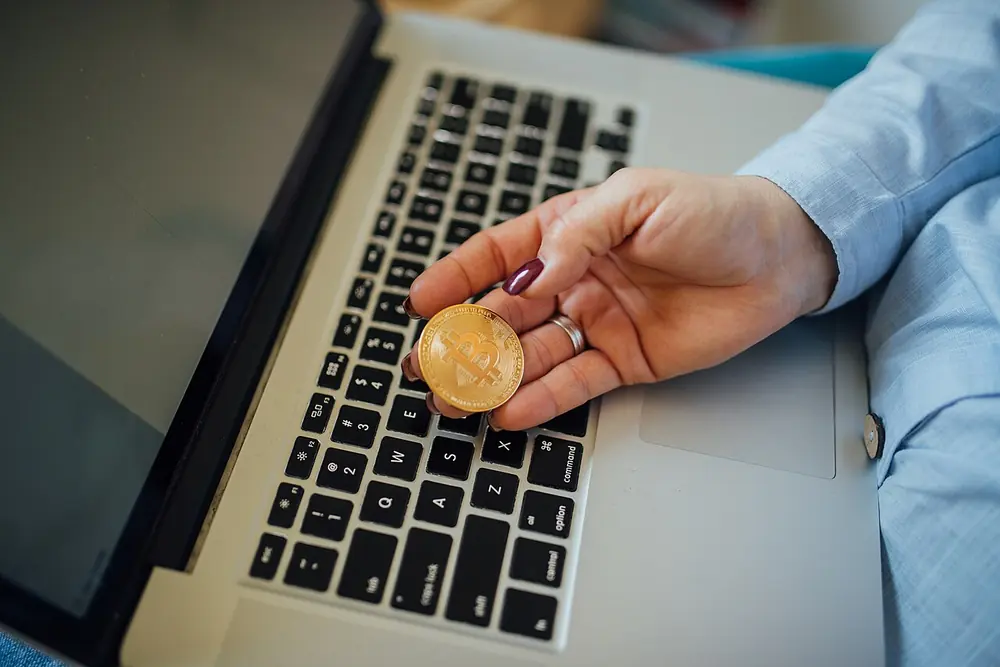
Why people want to bet in dollars
There are three common reasons, and it's worth being honest about which one is yours:
- Protecting value: a bankroll in dollars doesn't shrink when the naira weakens.
- Access to international sites: many global sportsbooks don't offer naira at all.
- Higher limits and wider markets: some international books accept bigger stakes and cover more leagues and props.
What dollar betting doesn't do is make you a better punter. The odds work the same way and the bookmaker margin is still there. If you lose in naira, you'll lose in dollars too, just in a different unit.
The main routes, compared
| Route | How it works | Main costs | Main risks |
|---|---|---|---|
| Domiciliary (dom) account | A dollar account at a Nigerian bank, used to fund a dollar card or transfer abroad | Account and transfer fees, card charges | Many betting payments are blocked; limits and documentation rules |
| Naira card on a foreign site | Pay in dollars with a naira debit card | Bank's exchange rate and fees | International spend limits are often very low or suspended |
| Dollar virtual card (fintech) | Load a virtual dollar card from naira and pay online | Card creation fee, funding rate, maintenance fees | Cards declined for gambling, card providers shut down |
| Stablecoins (USDT, USDC) | Buy dollar-pegged coins and deposit them to a crypto sportsbook | Exchange or P2P spread, network fees | Wrong-network losses, P2P fraud, offshore operator risk |
Domiciliary accounts: useful, but not built for betting
A dom account lets you hold dollars inside the Nigerian banking system. Funding one usually means receiving dollars from abroad or depositing cash dollars, with documentation that banks are strict about. Even with dollars in the account, card payments to gambling merchants abroad are often blocked by banks or card networks, and outbound transfers to betting companies can be refused or questioned. Banks follow Central Bank of Nigeria rules on foreign exchange, and those rules have changed several times in recent years. Check your bank's current policy, and don't assume something that worked for a friend last year still works.
Naira cards on dollar sites
For a long time, Nigerians used naira debit cards to pay foreign websites. Since around 2022, many banks have slashed or suspended international spending limits on naira cards because of dollar shortages. Where a card still works, the bank's exchange rate and charges can make each deposit expensive, and gambling transactions are among the first to be declined. Expect failures, and never share card details with a "middleman" who says they can push your deposit through.
Virtual dollar cards from fintechs
Several fintech apps let you create a virtual dollar card and fund it from naira. They're handy for subscriptions, but betting is a different story. Many card issuers explicitly block gambling merchants, and some providers have shut down their card programmes at short notice, leaving users waiting for refunds. If you try this route, read the card's terms, test with a small amount, and expect that it may stop working without warning.
Stablecoins: the route most dollar bettors end up using
Most Nigerians who bet in dollars today do it with stablecoins, mainly USDT and sometimes USDC. These coins are designed to stay close to one US dollar. You buy them with naira through an exchange or a peer-to-peer (P2P) marketplace, send them to a crypto sportsbook, and bet with a balance that's effectively in dollars. When you win, you withdraw USDT back to your wallet and either hold it or sell it for naira.
Things to know before you start:
- Networks matter. USDT exists on several blockchains, such as TRON (TRC20), Ethereum (ERC20) and others. Always send on the network the sportsbook's deposit page names, or your coins can be lost.
- Fees differ. TRC20 transfers are usually cheap. ERC20 transfers can cost several dollars when the Ethereum network is busy.
- P2P carries fraud risk. Use platforms with escrow, trade with verified counterparties, and never release coins before naira actually lands in your account.
- Access can change. In 2024, some large exchanges removed naira trading pairs or P2P services in Nigeria for a period. Rules and platforms keep shifting, so check what's available now.
- Stablecoins aren't risk-free. They depend on their issuers and reserves, and in rare cases have traded below one dollar.
The exchange-rate maths most people skip
Every time you go from naira to dollars and back, you pay a spread: the difference between the buy rate and the sell rate. Let's use example rates to show the effect. Suppose you can buy USDT at ₦1,560 and sell at ₦1,520, a spread of about 2.6%.
| Step | Amount |
|---|---|
| Start with ₦156,000 | Buys 100 USDT at ₦1,560 |
| Deposit, bet, break even | Still 100 USDT (ignoring network fees) |
| Sell back immediately | ₦152,000 at ₦1,520 |
| Cost of the round trip | ₦4,000, before any bet is lost |
These rates are only an illustration. Real rates change daily, and P2P spreads can be wider or narrower. The point is that converting in and out often costs you real money, so don't move small amounts back and forth every week.
When the naira moves during your bet
Now the upside, and the catch. If you hold your bankroll in USDT and the naira weakens, your dollars buy more naira when you cash out. If the naira strengthens, they buy less. Here's what a 100 USDT bankroll is worth in naira under different example rates:
| Sell rate when you cash out | 100 USDT is worth |
|---|---|
| ₦1,400 | ₦140,000 |
| ₦1,520 | ₦152,000 |
| ₦1,700 | ₦170,000 |
This means betting in dollars mixes two bets: your sports bets, and a bet on the naira exchange rate. That can work in your favour, but it isn't a free win. If your main goal is protecting savings, holding stablecoins outside a betting site keeps that money away from the temptation to stake it.
Dollar betting on a crypto sportsbook, step by step
- Decide your monthly betting budget in naira first, and only convert that amount.
- Buy USDT on a reputable exchange or escrow-protected P2P platform. Keep screenshots of each trade.
- Move it to a wallet you control, or straight to the sportsbook's deposit address.
- Copy the deposit address exactly and choose the network shown on the deposit page.
- Send a small test amount first and wait until it appears in your balance.
- Bet with flat stakes, for example 1% to 2% of your dollar bankroll per bet.
- Withdraw winnings to your own wallet, then decide whether to hold or sell for naira.
18+. Crypto deposits. Cloudbet is licensed in Curaçao, not in Nigeria. Ad: we may earn a commission. Bet only what you can afford to lose.
Naira betting vs dollar betting over one month
Let's compare two punters who each set aside ₦150,000 for a month and break exactly even on their bets. Using the same example rates as above:
| Naira punter (local bookmaker) | Dollar punter (USDT) | |
|---|---|---|
| Start | ₦150,000 deposited | About 96 USDT bought at ₦1,560 |
| Fees in | Usually small or none | Spread plus a network fee of around 1 USDT |
| After a break-even month | ₦150,000 | About 95 USDT |
| Naira flat at ₦1,520 sell | ₦150,000 | About ₦144,400 |
| Naira weakens to ₦1,700 sell | ₦150,000 (worth less in dollars) | About ₦161,500 |
The dollar route only came out ahead because the naira weakened. If it held steady, the conversion costs made the dollar punter worse off. That's the honest picture: dollar betting is a currency decision as much as a betting decision.
Choosing a crypto sportsbook for dollar betting
If you go the stablecoin route, pick the site carefully. Look for clear published withdrawal rules, a stated licence you can check, support that responds before you deposit, and support for the USDT network you plan to use. Read the KYC section of the terms so you know when documents may be requested. Check minimum and maximum withdrawals in USDT, and whether withdrawal fees apply. A site with a huge bonus but vague withdrawal terms is usually a worse choice than one with no bonus and clear rules.
Common mistakes Nigerian dollar bettors make
- Converting their whole savings "to protect it", then betting it because it's sitting on the betting site.
- Sending USDT on ERC20 when the site only listed TRC20, or the reverse.
- Trading on P2P outside the platform's escrow because the buyer offered a better rate.
- Forgetting the spread and believing they made a profit when the naira amount is actually lower.
- Accepting a bonus without reading the wagering rules, which can lock dollar balances for weeks.
KYC: dollar sites still ask who you are
Even sites that let you deposit crypto quickly can ask for identity documents later, especially before large withdrawals or if your account activity triggers a review. Exchanges and P2P platforms that sell you USDT for naira usually require full verification too. Use your real details everywhere. Accounts opened with fake or borrowed identities often get closed with winnings held.
Licensing and your protection
Nigerian-licensed bookmakers answer to state regulators such as the Lagos State Lotteries and Gaming Authority. Offshore dollar and crypto sites do not. If a dispute arises over a voided bet or a delayed withdrawal, your options are the operator's support team and its foreign licensing body. That doesn't make every offshore site bad, but it does mean you should choose carefully, read withdrawal terms before depositing and avoid keeping more on the site than you need.
Hold or sell your winnings?
When a dollar bet wins, you face a second choice: keep the USDT or sell it for naira. There's no single right answer, but a simple rule helps. Decide in advance what share of any withdrawal goes to your real life, such as rent, school fees or savings, and sell that part soon after withdrawing so it can't drift back onto the betting site. Whatever you keep as USDT should sit in a wallet you control, not in your sportsbook balance. Money left on a betting site tends to get staked, and an offshore operator holding your funds is a risk in itself. If you do hold stablecoins as savings, treat that as a separate decision from betting, with its own limits.
Records and tax
Keep a simple spreadsheet: date, naira spent, USDT received, rate, deposits, withdrawals and naira received when you sell. Tax rules on betting winnings and on crypto gains in Nigeria have been changing, and banks may ask about the source of larger incoming payments. Clear records protect you either way. If amounts are large, speak to a qualified accountant.
Red flags when "dollar betting" is offered to you
- Agents who promise to fund your account in dollars if you send naira to a personal account.
- Exchange rates far better than everyone else's.
- Requests for your exchange password, 2FA codes or seed phrase.
- "Dollar betting investment plans" with fixed weekly returns.
- Pressure to move fast "before the rate changes".
Keep control of your money
Dollar balances can feel like "safe money", which makes it easy to stake more than you planned. Set a fixed monthly budget, stick to it, and take a break if you're chasing losses. Gamble Alert offers free and confidential support on +234 916 295 7989.
Final word
You can bet in dollars from Nigeria, but bank and card routes are unreliable for gambling, and most people end up using stablecoins like USDT on offshore crypto sportsbooks. That route works, but it adds conversion spreads, network risks, P2P fraud risk and an exchange-rate bet on top of your sports bets. Convert only your betting budget, use the right network, keep records, use your real identity and remember that sites outside Nigeria aren't licensed by any Nigerian state.
Questions punters ask
Can I bet in dollars from Nigeria?
Yes, mainly through offshore sportsbooks that accept stablecoins like USDT or dollar payments. Nigerian-licensed bookmakers generally work in naira.
Can I use my domiciliary account for betting?
Possibly, but banks and card networks often block gambling payments, and foreign exchange rules change. Check your bank's current policy.
Is USDT the same as dollars?
USDT is a stablecoin designed to stay close to one US dollar. It isn't a bank deposit and carries issuer and platform risks.
What does it cost to convert naira to USDT and back?
You pay the spread between buy and sell rates plus network fees. Even a 2% to 3% spread adds up if you convert often.
Do dollar betting sites ask for KYC?
Often, yes, especially before large withdrawals. Use your real details.
Is Cloudbet licensed in Nigeria?
No. Cloudbet holds a Curaçao licence and is not licensed by any Nigerian state regulator.
Where can I get help with gambling in Nigeria?
Gamble Alert offers free, confidential support on +234 916 295 7989.
18+. Crypto deposits. Cloudbet is licensed in Curaçao, not in Nigeria. Ad: we may earn a commission. Bet only what you can afford to lose.
If betting has stopped being fun, talk to someone. Gamble Alert, a Nigerian non-profit, runs a free, confidential 24/7 helpline: +234 916 295 7989, toll-free +234 705 889 0073 / 0074. Source: gamblealert.org.