How to Bet on a Horse Race: A Nigerian Beginner's Guide to Win, Each-Way, Racecards and Settlement
Welcome bonus for new players + fast crypto payouts. Just helping a brother out.
18+. Crypto deposits. Cloudbet is licensed in Curaçao, not in Nigeria. Ad: we may earn a commission. Bet only what you can afford to lose.
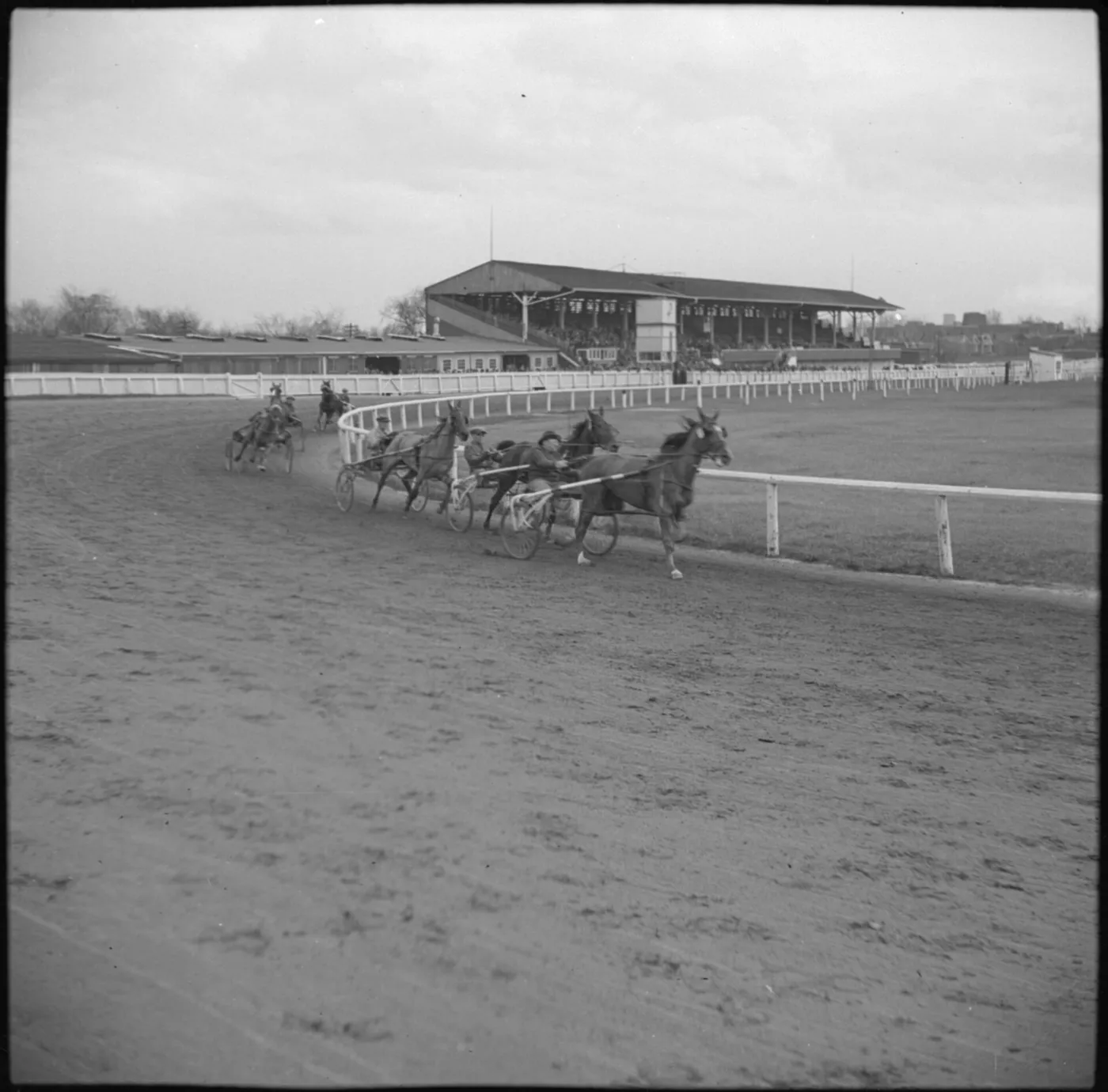
Horse racing can look like another language if you grew up on football coupons: furlongs, going, draw, each-way, SP. This page is a calm how-to for Nigerian adults who want to understand a single race bet end to end — pick a race, read the card, choose win or each-way, stake a unit, and know how settlement works. It is not the crypto-specialist horse guide (that is crypto horse betting); here the focus is the racing craft itself, whether your book is naira or coin-funded.
18+ only. Figures below are illustrative. Cloudbet is licensed in Curaçao and is not licensed by any Nigerian state regulator. Since 22 November 2024, states regulate betting (NLRC for the FCT). Gamble Alert: +234 916 295 7989, toll-free +234 705 889 0073 / 0074.

What you are actually betting on
A horse race is a ranked finish. The simplest bet is win: your horse must finish first. Each-way is two bets in one — win part plus place part — at stated place terms (for example first three in a field of eight or more). Other markets (forecasts, tricasts, without-the-favourite) can wait until win/each-way feels boringly clear.
| Bet | What must happen | Beginner note |
|---|---|---|
| Win | Horse finishes 1st | Cleanest learning ticket |
| Each-way | Win part + place part | Costs 2× the unit; place terms matter |
| Place only (if offered) | Finishes in pay positions | Not always available the same way |
| Starting price (SP) | Settled at SP | Different from taking an early fixed price |
Read the racecard before the odds
- Race distance and surface — sprint vs staying trip; turf vs dirt/AW where listed.
- Going — firm, good, soft, heavy; some horses handle mud better.
- Field size — changes place terms for each-way.
- Draw / stall — more important on some tracks and distances.
- Weight, jockey, trainer — context, not magic spells.
- Form figures — recent finishing positions; look up what the letters mean on your card.
If you cannot explain why this horse belongs in this race, you are guessing with style. Guessing is allowed with tiny units; calling it analysis is not.
Win bets: price and implied chance
Decimal 5.00 implies 20% before margin (1/5). Books take margin, so a whole field’s implied probabilities sum over 100%. Illustrative eight-runner book might sum near 115–125% depending on how soft the market is. You do not need to become a board trader on day one; you do need to know that short favourites can still be bad value.
Worked example: stake ₦1,000 (or US$1 unit on a crypto book) at decimal 6.00. If it wins, return ≈ ₦6,000 (profit ₦5,000) before any tax/fee your local app applies. If it loses, the unit is gone. That asymmetry is normal — longshots pay because they usually lose.
Each-way maths without tears
Each-way at “1/5 odds, three places” on a horse priced 8.00 (7/1 style):
- Win part: full fractional odds if it wins.
- Place part: one-fifth of the win fractional odds if it places in the top three (terms permitting).
- You stake two units (one win, one place).
Illustrative place decimal from an 8.00 win price at 1/5: place ≈ 1 + (8−1)/5 = 2.40. If the horse places but does not win, only the place half pays. If it wins, both halves pay. If it finishes fourth under three-place terms, both halves lose. Always read the place terms on the slip — field size reductions and enhanced place offers change the deal.
Rule 4 and non-runners
When a horse is withdrawn after you take a price, books may apply Rule 4 deductions to remaining runners’ prices. The deduction depends on the withdrawn horse’s price. This is not a personal fine; it is how fixed-odds books rebalance a market. If you do not want Rule 4 complexity on day one, bet closer to the off when the field looks final — understanding you may get a different price.
SP versus taking a price
Taking a price locks the decimal you see (subject to Rule 4 if applicable). SP settles at starting price. Beginners often prefer taking a price on a horse they have researched so the ticket matches the homework. SP can sometimes return more or less; it is a different product choice, not automatically “safer.”
Timing big meetings in WAT
British, Irish, Dubai and US meetings sit on different clocks. Convert to West Africa Time before you nap through the off. Festival weeks (think major spring or summer meetings abroad) stack races all afternoon. Write a race-by-race plan with max units; do not “play up winnings” across an entire card because the first race landed.
Nigeria has its own racing history — Tafawa Balewa Square in Lagos was once the Lagos Race Course — but most online liquidity Nigerian beginners see today is international racing via books. Local access and listings vary; always check what your operator actually prices.
Bankroll for learners
- Separate horse toys from football bankroll.
- 1% units of a small horse entertainment pot.
- Max two to three races per session while learning.
- No chase after a photo-finish loss.
If you fund with crypto, use stablecoins and the same network discipline as other sports — see crypto horse betting for coin-specific notes and betting using crypto for rails. This page stays on racing literacy.
Common beginner mistakes
- Each-way on tiny fields where place terms are poor value relative to win-only.
- Backing a name tip without reading distance/going.
- Combining four longshots into a accumulator and calling it a system.
- Ignoring non-runner notifications.
- Staking rent money because a festival is on TV.
How settlement looks on the slip
Win bet: finished 1st → returns at taken price or SP as selected; otherwise loss. Each-way: four possible headline outcomes — win+place, place only, void rules applying, or lose both. Dead heats split payouts. Always open the full settled bet breakdown once; do not trust only the chat screenshot culture.
Licensing honesty
After 22 November 2024, states regulate betting in Nigeria; NLRC for the FCT. International crypto sportsbooks such as Cloudbet are Curaçao-licensed and not licensed by any Nigerian state regulator. Local naira apps under state frameworks are a different complaint path. Choose knowingly. Football-heavy context: sports betting in Nigeria.
Illustrative afternoon card plan
- Pick one meeting.
- Shortlist two races only.
- One win bet and optionally one each-way — not five.
- Units pre-written.
- Log results; stop.
Illustrative EV reminder: a horse at 3.00 with true 30% win chance is about −10% EV before place complexities ((0.3×2.0) + (0.7×−1) = −0.10). Long weekends of slight minuses add up — entertainment framing matters.
Where to learn more without drowning
Official racecards and result sites for the jurisdictions you bet teach more than random tip Telegram channels. Tip groups have the same scam patterns as football — see betting groups in Nigeria. For crypto deposit mechanics if that is your funding path: how to bet on crypto.
18+. Crypto deposits. Cloudbet is licensed in Curaçao, not in Nigeria. Ad: we may earn a commission. Bet only what you can afford to lose.
Responsible play
Racing festivals are designed to feel continuous. You are allowed to watch without betting every race. If chasing becomes the point, stop and call Gamble Alert on +234 916 295 7989 or toll-free +234 705 889 0073 / 0074.
Checklist before your first horse bet
- 18+, entertainment money.
- Racecard read (distance, going, field size).
- Win vs each-way chosen with place terms understood.
- Price taken or SP chosen deliberately.
- Unit size fixed.
- Licence path understood (offshore vs state).
- Helpline saved.
Win-only practice week
Many beginners jump to each-way because it “feels safer.” It is not automatically safer; it is a different payout structure that costs two units. Spend a week on win-only tickets for horses you can explain. After ten settled win bets, add each-way back with eyes open. Crypto or naira, the learning order matters more than the funding rail.
Comparing prices without losing the plot
If two books show 4.50 and 5.50 on the same runner, check race identity, distance, and whether one market is BOG (best odds guaranteed) or early price with different Rule 4 treatment. A “better” decimal that settles under harsher non-runner rules may not be better. Screenshot both slips’ terms if you genuinely shop.
Distance, pace and “why this horse”
A horse that finishes strongly over 1 mile may bounce when dropped to a sprint — or thrive. Pace (how fast the early leaders go) changes how races unfold. You do not need a professional pace map on day one, but you should notice if every recent run was a dawdle or a burn-up. Pair that glance with going notes. Soft ground specialists on firm turf are a common tipster trap.
Class levels matter. A horse dropping from a tough graded race into a quieter handicap sometimes finds an easier spot; a horse stepping up in class against proven rivals may need a bigger price to be interesting. Class is relative — read the race title and recent opposition, not only the fancy silks.
Handicaps vs graded/conditions races
In handicap races, horses carry different weights aimed at equalising chance. That creates competitive fields and lively each-way markets — and more ways to be wrong. Conditions or graded races may feature clearer quality gaps. Beginners often prefer races where one or two horses look objectively stronger on ratings, then stake small win-only, rather than diving into a 16-runner handicap puzzle on night one.
Jockey and trainer trends — use lightly
Hot jockeys and trainers win more often because they ride/train more live horses, not because their names are lucky charms. A 20% strike rate still loses four of five. Treat connections as secondary confirmation after distance, going and form make sense. Never stake solely on a famous name with no card reading.
Each-way place terms table (illustrative)
| Field size (example) | Typical place fraction talk | Places paid (example) |
|---|---|---|
| 5–7 runners | Often 1/4 odds | 2 places |
| 8+ runners | Often 1/5 odds | 3 places |
| 16+ handicaps | Sometimes enhanced | 4 places (offer-dependent) |
Enhanced each-way offers can be useful or cosmetic. Compute whether the extra place is worth the price you are taking versus win-only at a bigger book.
Worked each-way settlement examples
Stake 2 × ₦500 each-way (₦1,000 total) at win decimal 9.00 with 1/5 odds, three places:
- Wins: win part returns ₦500×9.00=₦4,500; place part at place decimal 1+(9−1)/5=2.60 → ₦500×2.60=₦1,300; total return ₦5,800.
- Places 2nd/3rd: win part loses; place part returns ₦1,300; net −₦700 on the ₦1,000 outlay before any local fees.
- Fourth: both parts lose; −₦1,000.
Those numbers teach why each-way is not “insurance.” It is a structured second bet.
Betting exchanges vs bookmakers (short note)
Exchanges let you back or lay. Beginners learning how to bet on a horse race should master back-to-win at a book first. Laying (“this horse will not win”) is a different risk shape and easier to mismanage. If your product is a crypto sportsbook without exchange features, you are simply backing at book prices — keep it simple.
Live in-running horse markets
Some books offer in-play racing. Prices swing violently after a bad jump or a move on the turn. Latency and suspension risk are real. For your first month, skip in-running horses entirely. Watch the race with a settled pre-race ticket if you need the thrill.
Session hygiene during festival TV coverage
- Pre-commit a race list; mute the rest.
- No alcohol-plus-staking experiments.
- Hard stop after three losing races in a row.
- Withdraw or walk away when the plan ends — even if “one more maiden” is on screen.
Crypto funding reminder (optional path)
If your book is coin-based, match networks, test sends, and prefer stablecoins so a BTC dip does not rewrite a winning 6/1 ticket into a flat weekend. KYC around cumulative deposits near US$2,200 on Cloudbet-style terms still applies. Offshore licence: Curaçao, not Nigerian state. Details live on the crypto horse and crypto how-to pages already linked.
Bottom line
How to bet on a horse race: read the card, pick win or each-way with open eyes, stake small, respect Rule 4 and place terms, and treat festivals as entertainment. Cloudbet, if you use it, is Curaçao-licensed — not Nigerian-state-licensed. Keep Gamble Alert handy, and let football remain football while racing stays a separate, slower craft.
Questions punters ask
What is the simplest first horse bet?
A small win-only bet on a race whose card you have read. Add each-way later once place terms make sense.
How does each-way work?
Two bets: win and place. Place pays a fraction of win odds if the horse finishes in the listed places. You stake twice the unit.
What is Rule 4?
A deduction applied to remaining runners' prices when a horse is withdrawn after you take a price. Check your book's Rule 4 table.
Can I bet horse racing from Nigeria online?
Many international books list major meetings. Offshore crypto books such as Cloudbet are Curaçao-licensed and not licensed by any Nigerian state regulator — know the difference from state-licensed naira apps.
Should beginners use accumulators on horses?
Usually no. Learn single-race settlement first; multi-race tickets stack margins and confusion.
Who can I call for gambling harm help?
Gamble Alert 24/7 on +234 916 295 7989 and toll-free +234 705 889 0073 / 0074.
18+. Crypto deposits. Cloudbet is licensed in Curaçao, not in Nigeria. Ad: we may earn a commission. Bet only what you can afford to lose.
If betting has stopped being fun, talk to someone. Gamble Alert, a Nigerian non-profit, runs a free, confidential 24/7 helpline: +234 916 295 7989, toll-free +234 705 889 0073 / 0074. Source: gamblealert.org.