Crypto Live Betting From Nigeria: How In-Play Odds Move, Bet Delays, Stream Lag, Live Markets by Sport and a Disciplined Plan
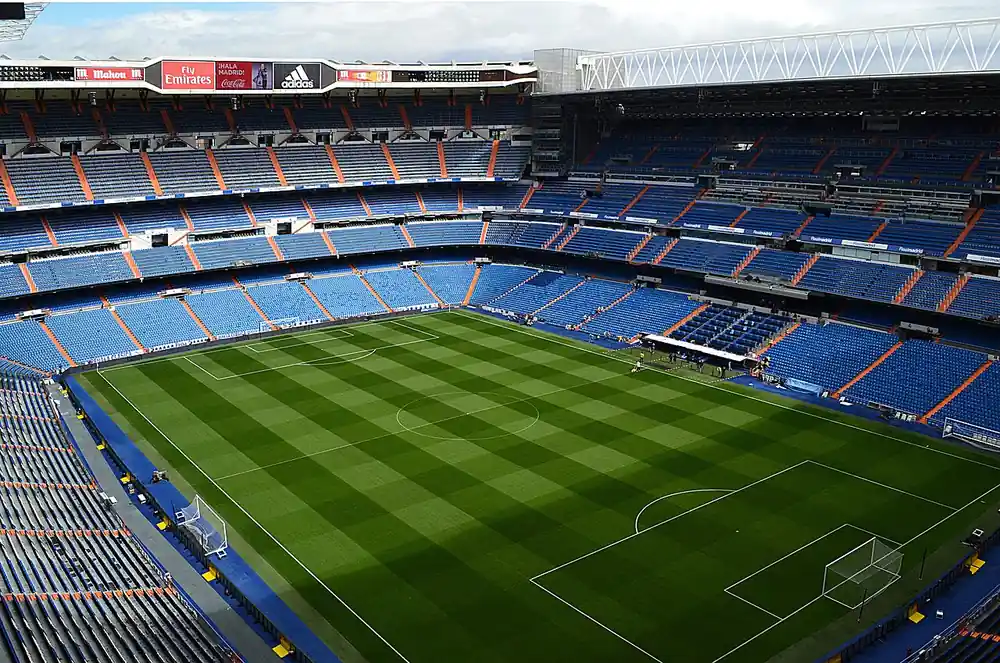
Live betting is where a lot of Nigerian punters now spend most of their time. The match is on, your team concedes, the odds jump, and you have about ten seconds to decide. Add crypto to that, with a USDT balance sitting ready on an international sportsbook, and it's fast, exciting and very easy to overdo. This guide breaks down crypto live betting properly, my brother: how in-play odds are made and why they move, why your bet sometimes takes seconds to accept or gets rejected, how stream lag works against you, which live markets make sense in different sports, and a simple plan that keeps live betting from turning into panic betting.
18+ only. Betting in Nigeria is regulated by each state since the Supreme Court ruling of 22 November 2024. Cloudbet, the international crypto sportsbook we link to, holds a Curaçao licence and is not licensed by any Nigerian state regulator, such as the Lagos State Lotteries and Gaming Authority, so you won't have local regulator protection there.
18+. Crypto deposits. Cloudbet is licensed in Curaçao, not in Nigeria. Ad: we may earn a commission. Bet only what you can afford to lose.
What live betting actually is
Live betting, also called in-play betting, means placing bets after an event has started. Prices update constantly based on what's happening: the score, the time left, red cards, injuries, momentum and the money coming in. You can bet on many of the same markets as before kick-off, such as match result and total goals, plus markets that only make sense live, such as next goal, next corner or the winner of the next game in tennis.
The key thing to understand is that live odds are not a guess by a trader watching TV. They mostly come from mathematical models fed by fast official data, with traders overseeing them and stepping in when something unusual happens. Those models are very good at the basics, like how the chance of more goals falls as time passes. Your opportunity, if any, lies in things the model can't see well, and in avoiding the traps live betting sets for impatient punters.
Why crypto and live betting fit together
There's a common misunderstanding that crypto makes live betting slow because blockchains need confirmations. That's only true for deposits and withdrawals. Once your coins are credited to your sportsbook balance, live bets are placed instantly from that balance like any other bet. No blockchain transaction happens per bet. So the practical rule is simple: fund your account before kick-off, not in the middle of a match.
| Action | Does it touch the blockchain? | What it means for live betting |
|---|---|---|
| Depositing coins | Yes | Can take minutes; do it before the match |
| Placing a live bet | No, uses your site balance | As fast as the sportsbook allows |
| Cashing out a live bet | No | Credited to your site balance |
| Withdrawing winnings | Yes | Can take minutes to hours; do it after |
Topping up in a panic halfway through a match is a red flag in itself. If you're doing that, you're probably chasing. Decide your live budget before kick-off and deposit only that.
Which coin to hold for live betting
Live betting involves many small decisions over a short time. If your balance is in BTC or ETH, the coin's price can move while the match is on, which makes it harder to know whether you're actually up or down. A stablecoin like USDT or USDC keeps your balance steady in dollar terms, so a 5 USDT win is a 5 USDT win. When you deposit, always choose the network the sportsbook's deposit page shows, and send a small test first with any new account. Low-fee networks make it cheaper to move modest amounts in and out.
Bet delays, suspensions and rejected bets
If you've ever pressed "place bet" live and watched a spinner for several seconds, that's the bet delay. Sportsbooks hold live bets for a short time before accepting them, so they can check that nothing big just happened, like a goal or a penalty, that their price hasn't caught up with. The length depends on the sport, the market and the bookmaker, and can be longer for bigger stakes.
- Suspensions: markets are suspended, often shown as locked or greyed out, during dangerous moments: a penalty, a corner, a free kick near the box, a VAR check, a break point in tennis, a timeout in basketball. You can't bet until prices reopen.
- Price changes: if the odds move during the delay, the bet may be rejected or you may be asked to accept new odds. Most sportsbooks have a setting for whether you automatically accept higher odds, any odds, or none. Choosing "accept any odds changes" can leave you with prices you'd never have chosen.
- Rejected bets: if something happens during the delay, your bet is usually refused and your stake stays in your balance.
Our advice: set your sportsbook to accept only higher odds or no changes, so you never get a worse price without knowing it.
Stream lag: the trap nobody explains
What you see on your screen is almost never live. TV broadcasts are delayed by a few seconds, online streams often more, and pirated streams can be 30 seconds or more behind. Meanwhile, sportsbooks receive official data from people at the stadium and fast data feeds. That means the sportsbook usually knows what happened before you do.
| Source | Typical delay compared with real life |
|---|---|
| Official data feeds used by sportsbooks | Very short |
| Satellite or cable TV | Several seconds |
| Official online streams | Several seconds to tens of seconds |
| Unofficial streams | Often much longer, unpredictable |
These are general patterns, not exact figures, but the lesson is clear: never think you can "beat" the sportsbook by betting on something you just saw. By the time you see a dangerous attack, the market may already be suspended or the price already moved. Use live betting to act on considered views about the match, not on split-second reactions.
How live football odds move
Time decay on goal lines
The biggest force in live football betting is time. Every minute without a goal makes overs less likely and unders more likely. If over 2.5 goals is around 1.90 before kick-off, it might be close to 2.50 at 0-0 after 30 minutes and far higher at 0-0 after 60 minutes. These numbers are illustrative, but the direction always holds. Many beginners see a big over price at 0-0 late in a game and think it's value. Usually it's just the correct price for a match running out of time.
Goals reset everything
A goal changes the result market and the totals market instantly. An early goal for the favourite usually shortens its price sharply and lifts the over. An early goal for the underdog can push the favourite out to attractive-looking odds, and that's where some punters find value, if they believe the favourite is still much stronger. But be honest: sometimes the underdog scored because it's playing better.
Red cards
A red card is one of the biggest live events. Models adjust heavily, especially early in a match. Whether the adjustment is right depends on context: a team down to ten men away from home with 80 minutes left is in trouble, while a team that goes down to ten while leading with 10 minutes left can often hold on. Think about the specific situation rather than assuming the market has it wrong.
Momentum and pressure
Models use events like shots, dangerous attacks and possession, but they don't fully see things like tactical changes, injuries that don't stop play, or a team that has clearly switched off. Watching the match properly, with a stream that isn't badly delayed, gives you some information. Just remember the sportsbook also has detailed data, so treat your observations as one input, not a certainty.
Live markets by sport
| Sport | Popular live markets | Key live driver |
|---|---|---|
| Football | Match result, next goal, live over/under, live Asian handicap, corners, cards | Time left, score, red cards |
| Basketball | Live spread, live total, quarter and half lines, player points | Runs, foul trouble, pace |
| Tennis | Match winner, set winner, next game, total games | Serve holds, breaks, injuries |
| Esports | Map winner, round handicap, total rounds or kills | Economy, side switches, map picks |
| MMA and boxing | Fight winner, method, round betting between rounds | Damage, cardio, judges' scoring |
Live football: markets that make the most sense
- Live Asian handicap: handles the current score and lets you back a team without worrying about the draw in the same way as 1X2. Lines reset with each goal, so read them carefully.
- Live totals: useful when you have a view about how open a match is. Watch out for time decay.
- Next goal: fun but volatile, and includes "no goal" as an outcome. Small stakes only.
- Corners and cards live: data-driven markets with higher margins. Treat them as entertainment unless you've studied them.
Avoid adding live legs to big accumulators. Each leg carries a margin, and live margins are often higher than pre-match.
Live basketball
NBA and EuroLeague games swing constantly. Runs of 10-0 or 12-2 happen in almost every game, and live lines react to them. Some useful ideas for live basketball:
- A favourite that falls behind early due to cold shooting may still be the better team. Live spreads can offer a better entry than pre-match, if nothing else has changed, such as injuries.
- Foul trouble for a star player matters. If a key player picks up early fouls and sits, the line moves, but often less than the impact in the next few minutes.
- Totals reflect pace. If both teams are playing much faster or slower than expected, the live total may lag slightly behind, but models update quickly.
NBA games usually tip off late at night or early morning in Nigeria. Live betting at 3 AM when you're half asleep is a fast way to lose. If you can't watch properly, stick to pre-match bets.
Live tennis
Tennis is one of the most popular sports for live betting, because each point is a mini-event and prices move all the time. Points to know:
- Serve matters hugely. Most games are won by the server, especially in men's tennis on fast courts, so a break of serve is a big event and prices move sharply.
- Players losing the first set sometimes come back. Markets account for that, but sentiment can overreact when a favourite drops a close first set.
- Injuries and medical timeouts can change everything. Retirement rules vary between sportsbooks, so read them; some void bets if a player retires, others settle differently.
- Markets suspend at key moments like break points, so you'll often be locked out at the exact moment you want to bet.
Live esports
For games like Valorant and Counter-Strike, live betting follows the in-game economy and side switches. After a team wins a pistol round, it's usually favoured in the next rounds because the opponent can't afford full equipment. Map handicaps and round totals move with every round. If you bet esports live, you need to understand the economy and follow a stream that's close to real time. Our guide on crypto betting on Valorant covers how that works.
Live MMA and boxing
Combat sports offer live betting mostly between rounds, since markets are usually suspended while fighters are exchanging. That one-minute break is your window. After a round, ask yourself: who clearly won it on the judges' likely scorecards, who took more damage, and who looks tired? A favourite who loses a close first round may still be the right side, especially if the underdog spent a lot of energy. A fighter who's been knocked down or badly cut is a different story. Round-by-round prices move hard, and stream delays matter less here because you're betting during the break rather than mid-action. Fights that are scheduled for five rounds give you more chances to see how cardio holds up. Keep stakes small: one big punch can flip any fight in seconds.
Live cash out
Cash out lets you settle a bet early for an amount the sportsbook offers. It's based on the current live price, minus a margin. Some sportsbooks also offer partial cash out, where you settle part of the stake and leave the rest running. Cash out is useful when your view has genuinely changed, for example your team loses its best player to injury. It's not useful as a reflex every time a bet looks like it might lose. Over many bets, regular cash outs cost you because of the margin built into each offer.
Partial cash out, worked through
Say you bet 4 USDT before kick-off on Team A to win at 2.20. Team A goes 1-0 up in the 55th minute, and the sportsbook now offers 6.80 USDT to cash out in full. Your potential return if Team A holds on is 8.80 USDT. The full cash out locks in a 2.80 USDT profit. A 50% partial cash out might give you 3.40 USDT now, with the other half of your stake, 2 USDT at 2.20, still running for a possible 4.40 USDT more. If Team A wins, you'd end with 7.80 USDT in total. If they draw or lose, you keep the 3.40 USDT from the partial cash out, a small loss of 0.60 USDT on your 4 USDT stake. These amounts are illustrative; real offers depend on the sportsbook's live price and margin. The point is that partial cash out lets you reduce risk without throwing away all the upside. Decide whether you'd want that before the match, not in a moment of nerves.
How live margins compare with pre-match
Live markets usually carry a slightly higher margin than the same market before kick-off, because sportsbooks take on more risk when prices move fast. You can check this yourself. Before kick-off, a match might be priced home 2.10, draw 3.40, away 3.70. The implied probabilities add up to about 104.1%, so the margin is around 4%. During the match, add up the implied probabilities on the live 1X2 market. If they total 106% or more, you're paying more for each bet. Exotic live markets like next corner or next card often total even higher. That doesn't mean you should never bet live. It means each live bet needs a better reason, because the price you're paying is higher.
Myths about live betting
- "The sportsbook can't keep up with the match." Its data feed is usually faster than your stream. When you think you've spotted something first, you probably haven't.
- "A team that's pressing will definitely score." Pressure raises the chance of a goal, and the model already includes it. Plenty of matches end 0-0 with one team dominating.
- "Late goals are common, so overs late in the game are value." Late goals happen, but prices on late overs already reflect how often. Big prices mean small chances.
- "Hedging live means I can't lose." Covering both sides usually guarantees you pay margin twice and lock in a small loss or tiny win.
- "I'm better at live betting because I watch the game." Watching helps, but only if your stream is close to live and you're judging the match objectively, not as a fan.
18+. Crypto deposits. Cloudbet is licensed in Curaçao, not in Nigeria. Ad: we may earn a commission. Bet only what you can afford to lose.
Keep a live betting log
| Column | What to write |
|---|---|
| Match and minute | When you placed the bet |
| Score at the time | The game state you bet into |
| Market and odds | Exactly what you bet |
| Stake | In USDT or units |
| Trigger | Which pre-planned reason you acted on, or "none" if it was impulse |
| Result | Won, lost, void or cashed out, and for how much |
The "trigger" column is the most valuable. After a month, compare bets you made on a planned trigger with bets you made on impulse. Almost everyone who does this finds their impulse bets lose noticeably more. That's the evidence you need to cut them out.
Strategies that make sense live
1. Plan your triggers before kick-off
The best live bettors decide before the match what would make them bet. For example: "If the favourite concedes first before half time and is still dominating, I'll back the favourite on the Asian handicap at a better price." That way, you're acting on a plan, not on emotion.
2. Look for overreactions to single events
A lucky early goal, a deflection or an offside call that goes against a strong team can push prices further than the underlying balance of the match justifies. It doesn't happen as often as people think, but when you have strong reasons, it's the kind of situation where live betting can offer value.
3. Use live betting to wait for information
Sometimes you're unsure about line-ups or tactics before kick-off. Watching the first 15 minutes and then betting if your view is confirmed can be smarter than guessing pre-match, even if the price is a little worse.
4. Limit yourself to one or two live bets per match
The more live bets you place, the more margin you pay and the more emotional your decisions become. One or two well-chosen live bets per match beats ten reactive ones.
Strategies that usually fail
- Chasing: doubling stakes live to win back a pre-match loss.
- Hedging everything: constantly betting the other side so you can't lose, which guarantees you pay the margin twice.
- Last-minute goal hunting: backing overs at huge prices in the 85th minute every match. The prices are big because goals are unlikely.
- Betting on what you just saw: stream lag means the sportsbook knew first.
- Betting matches you aren't watching: live betting from the score alone means you have less information than the model.
Worked example 1: favourite concedes early
Before kick-off, Team A is 1.70 to win and you rated them at about 62%. In the 12th minute, Team B scores from a deflected shot. Team A has had most of the ball and several good chances. Team A's live price to win drifts to 2.60, implying about 38%. You think they're still the better side and estimate their win chance at around 45% given 78 minutes left. You bet 2 USDT on Team A at 2.60. If they win, you get 5.20 USDT back, a 3.20 USDT profit. If not, you lose 2 USDT. The bet is based on a clear view that the market overreacted to a fluky goal, and your stake is small.
Worked example 2: resisting a "value" over
A match is 0-0 after 65 minutes. Over 1.5 goals is now 3.40. A friend says it's a great price because "goals always come late". You check: both teams have had few shots, the favourite looks content with a draw, and it's raining heavily. The 3.40 implies about 29%. Your honest estimate is around 25%. You skip the bet. Not betting is a decision, and in live betting it's often the best one.
Worked example 3: live basketball spread
Before tip-off, the home team is -6.5 points. After the first quarter, they're down by 8 after missing a lot of open shots, and the live spread has moved to home -1.5. There's no injury news and the team's shot quality looks fine. You think the pre-match view was fair and the slow start is mostly bad luck. You bet 1.5 USDT on home -1.5 at 1.90. If they win by 2 or more, you get 2.85 USDT back. If the poor shooting continues or the away team keeps its run going, you lose 1.5 USDT. You've made one considered bet based on a clear reason, then you watch the rest of the game without adding more.
Live betting on Nigerian and African football
Many Naija punters want to bet live on NPFL matches, AFCON games or Super Eagles qualifiers. International crypto sportsbooks don't always offer live markets on local leagues, and when they do, coverage can be thinner: fewer markets, lower limits and longer suspensions. Data from smaller leagues can also be slower or less detailed, which is part of why sportsbooks are more cautious. Good streams are harder to find too, so you may be betting from a score update rather than watching. If you know the NPFL well, your local knowledge can be a genuine advantage before kick-off, but live, with no reliable stream, that edge shrinks. Our NPFL live betting tips go deeper into the local game.
When a live bet goes wrong
Sometimes a live bet is accepted at a price you didn't expect, or a market you bet on is later voided. Don't panic or immediately place another bet to "fix" it. First, open your bet history and check the exact odds, time and status. If you think the bet was settled wrongly, contact support with the bet ID and a clear explanation, and keep screenshots. If a bet was voided because of a palpable error or a data issue, read the rule the sportsbook cites. If it's a genuine settlement mistake, it's usually corrected. Then step away for a few minutes. Many of the worst live betting decisions come straight after a frustrating one.
Staking for live betting
Live betting tempts you to bet more, faster. Strong staking rules matter even more than pre-match:
- Keep each live bet to 1% to 2% of your bankroll. With 100 USDT, that's 1 to 2 USDT.
- Set a maximum live loss per day, for example 5 USDT, and stop when you reach it.
- Set a maximum number of live bets per match, such as two.
- Never increase stakes during a match to recover losses from earlier bets.
- Record every live bet separately from pre-match bets, so you can see whether live betting actually works for you.
Match times in Nigeria and when not to bet live
Nigeria is on West Africa Time, one hour ahead of GMT. European football mostly kicks off in the afternoon or evening, perfect for live betting with a clear head. Champions League nights run into late evening. NBA, NFL and many UFC events land between midnight and early morning. Asian tennis and esports can land in the morning. A simple rule: if you'd be betting live while exhausted, after drinking, or while distracted at work, don't. Live betting needs your full attention.
Phone, data and network problems
Most live betting in Nigeria happens on a phone, often on mobile data. That brings practical risks. A weak signal can delay your bet slip far beyond the sportsbook's normal delay, so by the time your request arrives, the price has moved and the bet is rejected. Streaming video and betting at the same time uses a lot of data and battery. If your connection drops just after you press "place bet", don't press again blindly. Check your open bets first, because the first request may have gone through and you could end up with two bets instead of one. If your network is unreliable, either bet pre-match or use a stable Wi-Fi connection for live sessions. A cheap power bank is worth more to a live bettor than any tipster subscription.
Tools that help
- Official league or club apps: for line-ups, substitutions and injury updates.
- Live stats sites: show shots, expected goals and possession in real time, giving you a better picture than a delayed stream alone.
- Your own notes: written pre-match triggers and limits.
- Your sportsbook's settings: odds-change preferences, deposit limits and reality checks.
Crypto-specific tips for live bettors
- Deposit before the match and withdraw after, never during.
- Use a stablecoin balance to keep live results clear.
- Keep your betting wallet separate from savings.
- Turn on two-factor authentication. Live betting often happens on mobile in public places, so protect your account.
- When converting winnings to naira, use escrow-protected P2P and confirm payment in your bank before releasing coins.
Licensing and rules
International crypto sportsbooks offering live betting are offshore. They can change or void live bets placed at wrong prices, limit stakes on live markets and apply their own settlement rules, for example on abandoned matches or tennis retirements. Read the live betting and general rules once. For the wider legal picture, see our guide on whether online betting is legal in Nigeria, and for more on crypto sportsbooks in general, our guide on betting crypto on sports.
Live betting and problem gambling
Live betting is one of the riskiest forms of betting for losing control. It's fast, it's emotional, it rewards impulse, and there's always another market a few seconds away. Crypto adds to that, because deposits are quick and balances in coins can feel less real. Signs to watch for include betting on matches you didn't plan to bet, topping up during games, chasing losses with bigger live bets and feeling anxious when you can't check scores. If betting is affecting your money, sleep, work or family, take a break and talk to someone. Gamble Alert offers free and confidential support on +234 916 295 7989, and our responsible gambling page has more tools.
Checklist before a live betting session
- Deposit your live budget before kick-off, in a stablecoin.
- Set your odds-change preference to accept only higher odds or none.
- Write down your triggers: what would make you bet, and on which market.
- Decide your stake, maximum bets per match and maximum loss.
- Use a stream that's as close to live as possible, plus a live stats source.
- Bet only when a trigger is met, then stop.
- Record every live bet with time, score, odds and reason.
- Withdraw winnings after the match if you're not planning to bet again soon.
Final word
Crypto live betting can be enjoyable and, for disciplined punters, occasionally rewarding. But it's built to reward speed and emotion, and the sportsbook has faster data and better models than you do. Understand how live prices move, respect time decay, know that stream lag works against you, set your odds-change settings sensibly, plan your triggers before kick-off, keep stakes small and limit how many live bets you place. Play it that way, and live betting becomes a tool you control rather than a habit that controls you.
Questions punters ask
Is crypto live betting slow because of blockchain confirmations?
No. Confirmations only apply to deposits and withdrawals. Live bets are placed from your sportsbook balance instantly, so fund your account before the match starts.
Why do my live bets take a few seconds to accept?
Sportsbooks use a short bet delay on live markets to check that nothing major has happened before accepting. If the price changes during the delay, the bet may be rejected or you may be asked to accept new odds.
Can I beat live odds by watching the stream?
Usually not. Streams are delayed, while sportsbooks use fast official data, so they often know what happened before you see it.
What is the best coin for live betting?
A stablecoin like USDT or USDC, because your balance doesn't move with the crypto market during the match.
Is Cloudbet licensed in Nigeria?
No. Cloudbet holds a Curaçao licence and is not licensed by any Nigerian state regulator.
Where can I get help with gambling in Nigeria?
Gamble Alert offers free, confidential support on +234 916 295 7989.
18+. Crypto deposits. Cloudbet is licensed in Curaçao, not in Nigeria. Ad: we may earn a commission. Bet only what you can afford to lose.
If betting has stopped being fun, talk to someone. Gamble Alert, a Nigerian non-profit, runs a free, confidential 24/7 helpline: +234 916 295 7989, toll-free +234 705 889 0073 / 0074. Source: gamblealert.org.