Crypto Betting vs Traditional Betting: A Side-by-Side Comparison for Nigerian Punters
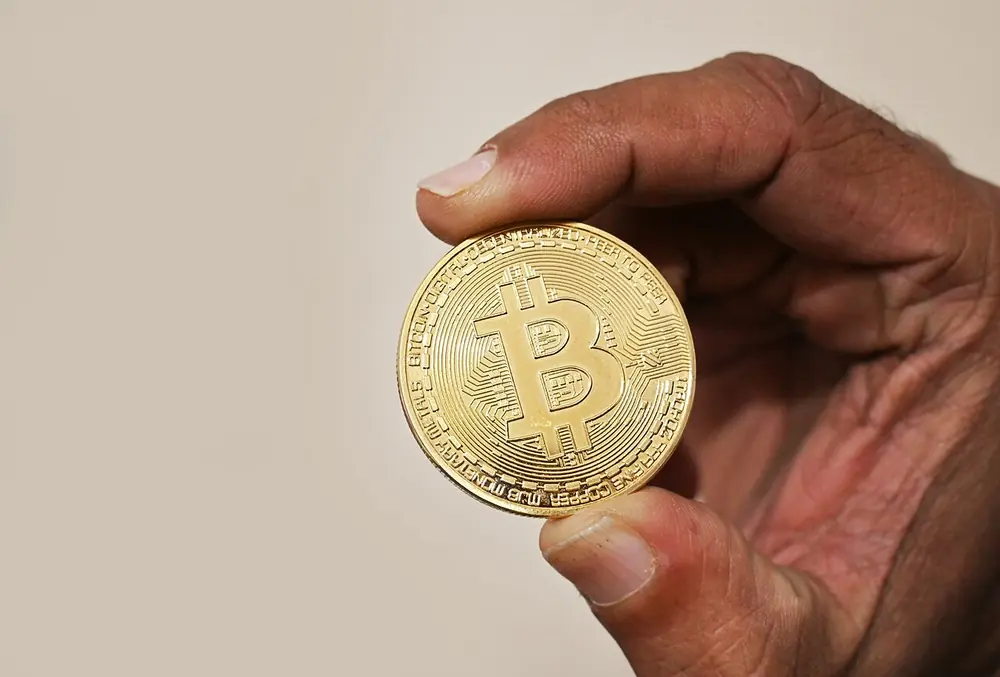
Every few weeks somebody in your group chat says, "Guy, leave these naira betting apps, crypto betting is the future." Another person replies that crypto is a scam and you'll lose everything. The truth sits in the middle, and it depends on what kind of punter you are. Let me lay crypto betting and traditional naira betting side by side, category by category, so you can decide with your eyes open instead of following hype.
18+ only. Nothing here is financial advice. Cloudbet, the crypto sportsbook we link to, holds a Curaçao licence and is not licensed by any Nigerian state regulator, such as the Lagos State Lotteries and Gaming Authority. Since the Supreme Court ruling of 22 November 2024, gaming in Nigeria is a state matter, while the federal National Lottery Act now applies only in the FCT.
18+. Crypto deposits. Cloudbet is licensed in Curaçao, not in Nigeria. Ad: we may earn a commission. Bet only what you can afford to lose.
What we mean by each
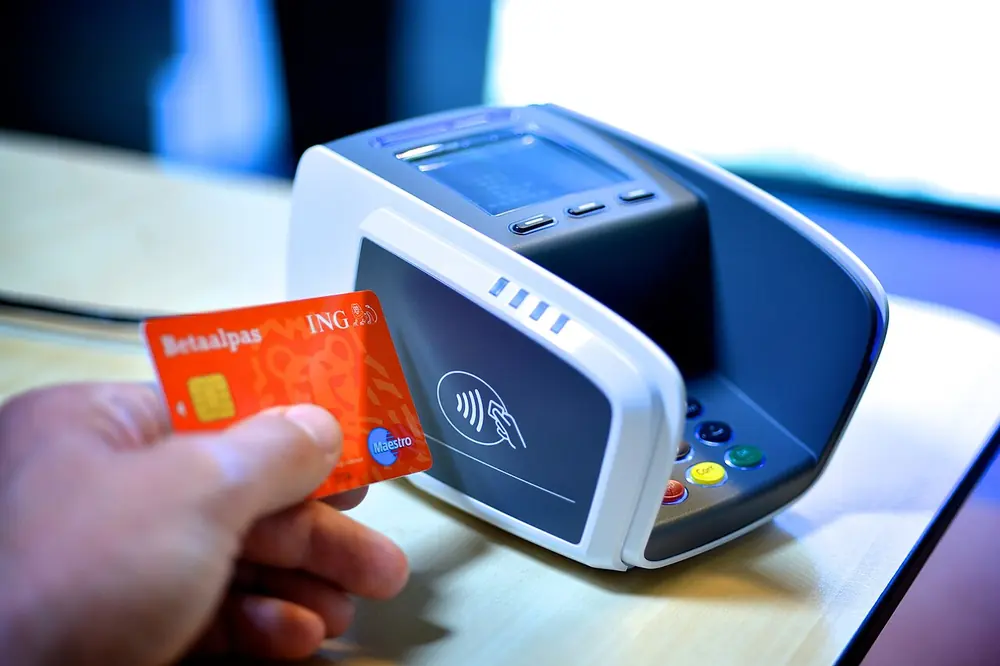
Traditional betting here means the familiar setup: you fund a naira account with a bank transfer, card, USSD or a payment app, bet in naira, and withdraw back to your bank. Most local apps work this way, and many are licensed by a state regulator such as the LSLGA in Lagos.
Crypto betting means you deposit cryptocurrency, typically USDT, Bitcoin, Ethereum or Litecoin, into an international sportsbook or casino, bet either in that coin or in a dollar-equivalent balance, and withdraw back to a crypto wallet. You then convert to naira yourself through an exchange or peer-to-peer trade if you want cash.
The quick comparison table
| Factor | Traditional (naira) | Crypto |
|---|---|---|
| Licensing in Nigeria | Often licensed by a state regulator | Usually offshore (e.g. Curaçao), not licensed by any Nigerian state |
| Deposit methods | Bank transfer, card, USSD, payment apps | Crypto wallet or exchange transfer |
| Withdrawal speed | Minutes to a few days | Often minutes once approved, plus your own conversion time |
| Currency risk | None while you hold naira balance | Coin price can move (less so with stablecoins) |
| Fees | Bank charges, sometimes site fees | Network fees plus naira conversion spread |
| Odds and margins | Varies; some local margins are high | Big international books often have tighter main-market margins |
| Market depth | Strong on popular football, virtuals | Very deep across global sports and esports |
| Bet limits | Max payout caps common | Often higher limits on major markets |
| Dispute help in Nigeria | State regulator complaint route | Offshore licensing body only |
| Ease for beginners | Very easy | Learning curve: wallets, networks, addresses |
Licensing and protection: the biggest difference
This is the point I'd put first, ahead of odds or speed. A state-licensed operator in Nigeria answers to a regulator you can complain to. If it refuses to pay or freezes your account unfairly, there's a local route for a complaint. An offshore crypto sportsbook answers to its licensing authority abroad. Cloudbet, for example, is licensed in Curaçao. Curaçao has been reforming its system: the Curaçao Gaming Control Board began issuing licences directly from September 2023, and a new national gaming law (LOK) with a new regulator, the Curaçao Gaming Authority, took effect in December 2024. That's progress, but it still means any dispute goes to a regulator outside Nigeria.
Ask yourself: if something goes wrong with a ₦500,000 withdrawal, who do I call? With a local licensed site, you have a Nigerian answer. With an offshore crypto site, your answer is an email to customer support and, if that fails, a complaint abroad.
Deposits: convenience versus control
Naira deposits are as easy as buying airtime. Tap a bank transfer, done. Crypto deposits involve more steps: buy crypto on an exchange or from a peer-to-peer seller, copy the sportsbook's deposit address, pick the right network (TRC20, ERC20, BEP20 and so on), and send. Choose the wrong network and the coins can be lost.
The upside of crypto is that your bank doesn't have to approve each payment. Some Nigerian banks block or flag card payments to gambling merchants, especially foreign ones, so punters who've had cards declined sometimes find crypto smoother. The downside is you carry full responsibility for every step.
Withdrawals and the conversion step
People rave about fast crypto withdrawals, and it's true that once a big crypto sportsbook approves a payout, the coins can reach your wallet in minutes. But you still have to turn those coins into naira if you want to pay rent or buy food. That means selling on an exchange or peer-to-peer, paying a spread, and then waiting for the naira transfer from the buyer.
A traditional site does all of that in one step: it sends naira straight to your bank. So the honest comparison is "crypto payout plus conversion" versus "naira payout". Sometimes crypto still wins on speed, especially for larger amounts or if the local site has slow processing. Sometimes the conversion hassle cancels the advantage.
Fees and exchange rates: the hidden cost
Let's run a simple ₦100,000 example. Figures are illustrations; real rates change daily.
| Step | Naira site | Crypto site with USDT |
|---|---|---|
| Deposit | ₦100,000, maybe ₦50 bank charge | Buy USDT at a spread of roughly 1%: lose about ₦1,000 |
| Network fee to deposit | None | Around ₦1,000–₦2,000 equivalent on some networks, less on cheaper ones |
| Withdraw ₦100,000 value | Free or small fee | Small network fee |
| Convert back to naira | Not needed | Another 1% spread: about ₦1,000 |
| Rough round-trip cost | Under ₦200 | ₦2,000–₦4,000 |
For a punter who deposits ₦5,000 at a time, crypto fees can eat a big percentage of each bankroll top-up. For someone moving larger sums less often, the percentage shrinks and other advantages, like better odds, can matter more.
Odds, margins and limits
Large international crypto books compete globally, so on major markets like EPL match results, Asian handicaps and totals, their margins are often tight. A tighter margin means slightly higher odds on both sides. Over hundreds of bets, a 2% to 3% better price adds up to real money.
Local naira apps compete on different things: virtual football, jackpots, huge acca bonuses, booking codes your friends share. Their margins on some markets can be higher, and many have maximum payout caps on accumulators. If you're a high-volume single bettor focused on value, crypto books may suit you. If you love sharing booking codes and chasing ₦50 million accas, local apps were designed for you.
Volatility: the risk naira punters forget
If you deposit Bitcoin and keep your balance in BTC, your bankroll goes up and down with the Bitcoin price, even if you don't place a single bet. A 10% drop over a weekend means your ₦200,000 balance is suddenly worth ₦180,000. Win a bet and the coin falls, and you might still end the week down in naira terms.
That's why many Nigerian crypto punters use stablecoins like USDT, which track the US dollar. Your balance then moves with the dollar-naira rate rather than with crypto prices. Considering how the naira has moved in recent years, some see that as a plus. Just understand that you're holding dollars, not naira, while the money sits on the site.
18+. Crypto deposits. Cloudbet is licensed in Curaçao, not in Nigeria. Ad: we may earn a commission. Bet only what you can afford to lose.
Privacy and verification
Traditional Nigerian sites ask for your BVN, NIN or ID at some point, and your bank statements show your betting transactions. Crypto sites vary. Some let you play with just an email at first, but most reserve the right to ask for ID, especially before large withdrawals or if anything looks unusual. Don't choose crypto betting thinking you'll never be asked for documents. Assume verification can happen at any time and keep your details honest so your withdrawals aren't held up.
Taxes and record keeping
Whichever way you bet, keep records. Bank statements make naira betting easy to trace. With crypto, you need your own spreadsheet of deposits, withdrawals and conversion rates. Tax treatment of betting winnings and crypto gains in Nigeria can be complex and changes over time, so if you're winning meaningful sums, speak to a qualified tax adviser rather than guessing.
Bonuses and promotions compared
Local naira apps are famous for acca boosts, cashback on lost slips, free bets for referrals and big welcome offers in naira. They're easy to understand because everything is in the currency you think in. The catch is usually the rollover: many welcome offers require you to bet the bonus several times on accumulators with minimum odds per leg before you can withdraw.
Crypto books tend to advertise welcome packages in dollars or coins, sometimes released gradually as you bet rather than given upfront, and some offer loyalty or rakeback-style rewards for regular players. Those can be decent value for steady bettors, but the terms are often long and written for a global audience. With either type, read three things before you claim: the wagering multiple, the minimum odds, and the deadline. A bonus with harsh terms is worse than no bonus at all.
Customer support and app experience
Local sites usually have Nigerian support teams, WhatsApp or phone lines, agents in shops, and apps designed for cheaper Android phones and patchy data. If you prefer talking to someone who understands your bank, your network and Pidgin, that matters. International crypto books mostly offer live chat and email in English, around the clock, but the agent may be in another continent and won't know why your GTBank transfer to a P2P seller is delayed. Their websites are often heavier on data too. None of this is a deal-breaker; it's just part of the honest comparison.
Which kind of punter suits which option?
| You are... | Likely better fit | Why |
|---|---|---|
| A beginner staking ₦500–₦5,000 | Traditional | Easy deposits, low fees, local licence and complaint route |
| A booking-code and big-acca fan | Traditional | Local apps are built around those features |
| A value-focused single bettor | Crypto (with care) | Tighter margins on main markets can pay off over time |
| Already comfortable with wallets and exchanges | Either | The learning curve is gone; compare odds and fees |
| Betting on esports or niche sports | Crypto | International books usually have deeper menus |
| Someone who wants Nigerian regulator protection | Traditional | Offshore sites aren't licensed by any Nigerian state |
A sensible way to try crypto betting
- Start with a stablecoin like USDT so price swings don't confuse your results.
- Send a small test amount first, then the rest once it arrives.
- Double-check the network on both the sending and receiving side.
- Withdraw a small win early to see how the payout process actually works for you.
- Keep a simple log of naira in and naira out, including every fee.
Before you move your main bankroll anywhere, run both options side by side for a month with small stakes. Note the odds you got, the fees you paid and how long each withdrawal took. Real numbers from your own phone beat any opinion online, including mine.
The same rules apply to both
Crypto doesn't change the basic maths of betting. The bookmaker still has an edge, accas still multiply risk, and chasing losses still destroys bankrolls whether your balance is in naira or USDT. In fact, the speed of crypto can make it easier to redeposit on impulse. Set a weekly budget and stick to it. If betting is causing problems, Gamble Alert offers free, confidential help on +234 916 295 7989 or +234 705 889 0074.
Final verdict
In a crypto betting vs traditional betting comparison for Nigeria, there's no single winner. Traditional naira betting wins on simplicity, low fees for small stakes and local licensing. Crypto betting can win on odds, limits, market depth and payout speed, but it comes with offshore licensing, conversion costs, volatility unless you use stablecoins, and a real learning curve. Choose based on how you bet, how much you move, and how much protection you want, not on what's trending.
Questions punters ask
Is crypto betting better than traditional betting in Nigeria?
Neither is better for everyone. Crypto can offer better odds and faster payouts, but traditional naira betting is simpler, cheaper for small stakes and may be licensed by a Nigerian state regulator.
Are crypto betting sites licensed in Nigeria?
Most aren't. Cloudbet, for example, holds a Curaçao licence and is not licensed by any Nigerian state regulator.
Which is faster for withdrawals?
Crypto payouts can arrive in minutes once approved, but converting to naira adds time. Naira sites pay straight to your bank.
Do I lose money on fees with crypto betting?
Yes, through exchange spreads and network fees. For small deposits, fees can be a large percentage; for larger, less frequent deposits the percentage shrinks.
Should I use Bitcoin or USDT for betting?
Many punters prefer USDT because it tracks the dollar, so your balance doesn't swing with crypto prices.
Do crypto betting sites require KYC?
Many can ask for ID at any time, especially before large withdrawals. Don't assume you'll never be verified.
Where can I get help with problem gambling in Nigeria?
Contact Gamble Alert on +234 916 295 7989.
18+. Crypto deposits. Cloudbet is licensed in Curaçao, not in Nigeria. Ad: we may earn a commission. Bet only what you can afford to lose.
If betting has stopped being fun, talk to someone. Gamble Alert, a Nigerian non-profit, runs a free, confidential 24/7 helpline: +234 916 295 7989, toll-free +234 705 889 0073 / 0074. Source: gamblealert.org.