Is Casino Legal in Nigeria? State-by-State Reality, Offshore Online Casinos and What It Means for Players (2026)
18+. Crypto deposits. Cloudbet is licensed in Curaçao, not in Nigeria. Ad: we may earn a commission. Bet only what you can afford to lose.
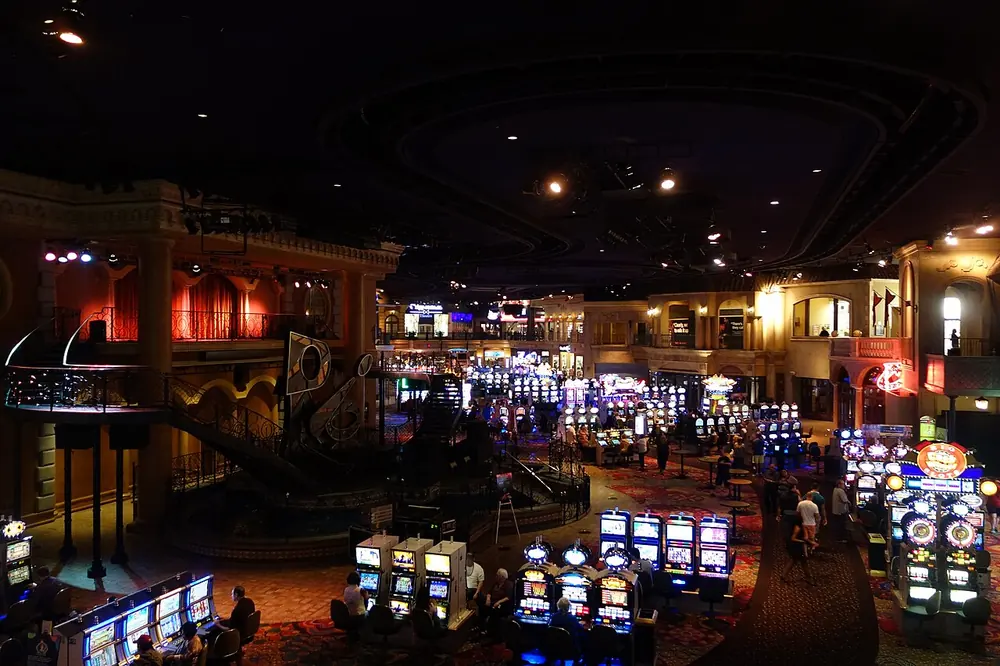
Short answer: it depends on where you are and what kind of casino you mean. A licensed hotel casino in Lagos is a very different legal thing from an offshore crypto casino on your phone in Kano. Nigeria doesn't have one national casino law any more; it has a patchwork of state rules sitting on top of older federal criminal codes. Let me lay it out as clearly as I can, scenario by scenario.
Two quick notes. First, I'm not a lawyer and this isn't legal advice; laws change and differ by state, so check with your state regulator or a lawyer for your situation. Second, casino play is for adults 18+ only. Since the Supreme Court judgment of 22 November 2024, gaming is regulated by individual states. We link to the Cloudbet casino, which holds a Curaçao licence and is not licensed by any Nigerian state regulator. If gambling is becoming a burden, Gamble Alert is free and confidential around the clock on +234 916 295 7989 or toll-free +234 705 889 0073 / 0074.
The quick answer by scenario
| Scenario | General position | Key caveat |
|---|---|---|
| Licensed land-based casino in Lagos | Legal, regulated by the Lagos State Lotteries and Gaming Authority (LSLGA) | 18+ only; venue rules on ID and entry apply |
| Licensed casino in another state | Legal if licensed under that state's law | Not every state has a clear casino framework yet |
| Casino in the FCT (Abuja) | Federal rules under the National Lottery Act 2005 still apply in the FCT | Check the specific licence held |
| Northern states with Sharia penal codes | Gambling is treated as an offence for Muslims in several states | Enforcement bodies have raided betting outlets in the past |
| Online casino licensed by a Nigerian state | Legal within that state's licence terms | Licence may only cover residents of that state |
| Offshore online casino (e.g. Curaçao-licensed) | Not licensed in Nigeria; sits in a legal grey area for players | No Nigerian regulator to help if something goes wrong |
Layer 1: the Supreme Court changed who's in charge
For about two decades, the National Lottery Act 2005 and its regulator, the National Lottery Regulatory Commission (NLRC), sat at the centre of Nigerian gaming law. Several states, led by Lagos, argued that gaming was a state matter under the Constitution. On 22 November 2024, in suit SC/1/2008, the Supreme Court agreed: the National Assembly can't legislate on lotteries and games of chance for the states. The 2005 Act now effectively applies only to the Federal Capital Territory.
So the first legal question about any casino is no longer "is it licensed in Nigeria?" It's "is it licensed by the state where it operates, and does that licence cover me?" Our page on whether online betting is legal in Nigeria explains the judgment's wider effect on sports betting.
Layer 2: state gaming laws
Each state House of Assembly can now pass its own gaming law, set up a regulator and issue licences. In practice the picture is uneven:
- Lagos has the most developed framework, administered by the LSLGA, which licenses lotteries, sports betting and casinos operating in the state.
- Several other states have lottery or gaming boards of their own, with varying levels of activity and published rules.
- Some states have little or no active casino regulation, which makes the position of any casino there harder to judge.
If you want to check a specific venue or site, look for the licence on its premises or website footer, then confirm it with the named state regulator directly.
Layer 3: the old criminal and penal codes
Underneath modern gaming laws sit older criminal statutes. In the southern states, the Criminal Code contains offences around unlawful gaming houses, betting houses and unlicensed lotteries. In the northern states, the Penal Code covers similar ground. These provisions mainly target people who run unlicensed gambling operations rather than casual players, but they're a reminder that "unlicensed" can mean "unlawful", not just "unregulated".
Sharia penal codes in some northern states
Since around 2000, several northern states have adopted Sharia-based penal codes that treat gambling as an offence for Muslims. Religious enforcement bodies, such as the Hisbah in some states, have at times raided and closed betting and gaming outlets. If you live in one of these states, a casino or betting activity that's legal in Lagos may carry real legal and social risk where you are. Take that seriously.
Layer 4: anti-money-laundering rules
Casinos fall under Nigeria's anti-money-laundering framework as businesses that must know their customers, keep records and report suspicious transactions. The Money Laundering (Prevention and Prohibition) Act 2022 covers casinos among designated non-financial businesses, under the supervision of the relevant federal unit. For players, this explains why licensed casinos can ask for ID, proof of address or source of funds, especially for large cash transactions or withdrawals. That's normal compliance, not suspicion of you personally.
Online casinos: the grey zone
Here's where most Nigerians actually play. There are two kinds of online casino you'll meet:
State-licensed online casinos
Some Nigerian-licensed operators offer casino games, slots and crash games inside their sportsbook apps, under licences from a state regulator. These generally work in naira, take local bank transfers and are the clearest legal option, provided the licence covers where you live.
Offshore online casinos
International casinos licensed in places like Curaçao, Malta or Anjouan often accept Nigerian players, usually through crypto. They're not licensed by any Nigerian state. Nigerian law mostly targets operators and promoters of unlicensed gaming rather than individual players, and I'm not aware of prosecutions of ordinary players simply for using offshore casinos. But "not prosecuted" isn't the same as "clearly legal", and the practical risks are real:
- No Nigerian complaint route. Disputes go to the foreign licensing body, which is slow and far away.
- Payment friction. Banks may decline card payments to offshore gambling merchants; crypto is the usual workaround, with its own risks.
- Terms you must read. Withdrawal limits, verification thresholds and bonus rules vary widely. Cloudbet, for example, may require ID verification once cumulative deposits reach about US$2,200, which we explain in our Cloudbet KYC guide.
- Country restrictions. Each casino lists the countries it doesn't serve. If you lie about your location, the casino can void winnings.
What makes a casino "legal" from a player's point of view
Practically, a legal and safer casino experience in Nigeria means:
- The operator holds a licence from the state where it operates (or from the NLRC in the FCT).
- The licence is displayed and can be confirmed with the regulator.
- The operator enforces 18+ age checks.
- Terms and conditions, game rules and payout policies are published.
- There's a complaints process and responsible gambling tools.
An offshore site might meet points 3 to 5 well, sometimes better than local brands, but it can't meet points 1 and 2 for Nigeria. That's the trade-off to understand before you deposit.
How to verify a casino licence in five minutes
- Scroll to the footer of the casino website or app, or look for a framed certificate at a land-based venue. Note the regulator's name, the licence number and the company name.
- Check the company name matches the one in the site's terms and conditions. A mismatch is a warning sign.
- Visit the regulator's own website by typing the address yourself, not by clicking a link on the casino site. Look for a list or register of licensees.
- If there's no online register, contact the regulator by phone or email and ask whether the operator is licensed and for which products.
- Note what the licence covers. A lottery or sports betting licence doesn't automatically include casino games, and a licence in one state may not cover players in another.
For offshore casinos, the footer usually shows a foreign licence seal. Clicking it should open a validation page hosted on the regulator's domain. Seals that are just images with no link, or that link back to the casino's own site, tell you very little.
18+. Crypto deposits. Cloudbet is licensed in Curaçao, not in Nigeria. Ad: we may earn a commission. Bet only what you can afford to lose.
Common myths about casino legality in Nigeria
- "Online casinos are totally illegal in Nigeria." Not quite. State-licensed operators can offer online casino games within their licence. Offshore ones are unlicensed in Nigeria, which isn't the same as players being criminalised everywhere.
- "If a site accepts Nigerians, it must be legal here." No. Accepting players and holding a Nigerian licence are completely different things.
- "Crypto casinos are outside the law." Crypto changes the payment method, not the legal question. The licence still matters.
- "The NLRC licenses everyone." Since November 2024, the NLRC's role is effectively limited to the FCT.
- "Winnings from a casino are always tax-free." Tax treatment isn't something to assume. Keep records and ask a tax professional if your winnings are significant.
Land-based casinos: practical legal points
If you visit a hotel casino in Lagos or Abuja, expect to show valid ID, follow dress and conduct rules and be refused entry if you're under 18. Large cash-ins or cash-outs may trigger extra checks under anti-money-laundering rules. Licensed venues should display their licence, publish table rules and handle disputes through a floor manager. Our guide to casinos in Nigeria covers what to expect inside.
Advertising and promotion
State regulators increasingly set rules on how gaming is advertised, including restrictions aimed at protecting minors. Promoting unlicensed gaming to residents can itself be an issue under some state laws. That's mainly a concern for operators, affiliates and influencers rather than players, but it explains why you may see some brands advertise heavily in one state and barely at all in another.
What could change next
Nigeria's gaming law is still settling after the 2024 judgment. Things worth watching include more states passing their own gaming laws, possible cooperation between states on licensing for online operators, tighter age verification rules and continued debate at federal level about how remote gaming should be handled across state lines. Any of these could change the picture for online casinos, so check for updates if you're reading this long after October 2026.
How to protect yourself whatever you choose
- Know your state's position. Especially important in northern states with Sharia penal codes.
- Prefer licensed operators where they meet your needs.
- If you use an offshore casino, read the terms, test a small deposit and withdrawal first, and never misstate your country.
- Keep records of deposits, withdrawals and any correspondence with support.
- Set limits before you play and use self-exclusion if you need it.
The real question behind "is it legal?"
Many people ask about legality when the deeper question is "is it safe to put my money here?" Legal status is one part of the answer. The others are whether the games are fair (look for recognised game studios and published RTPs), whether withdrawals actually get paid on time and whether you can afford what you're spending. A perfectly legal casino can still cost you more than you planned. If you'd like to understand how the games themselves work before playing, read our guide to casino betting in Nigeria.
Help is available
Whatever the law says, gambling can become a problem quickly, especially with casino games that run 24/7 on your phone. If you're spending more than you planned, hiding it, or borrowing to play, reach out. Gamble Alert, a Nigerian non-profit, runs a free, confidential 24/7 helpline on +234 916 295 7989. Our responsible gambling page explains how to set limits and self-exclude.
Bottom line
Casinos can be legal in Nigeria, but legality now depends on the state. Licensed land-based and online casinos operating under a state licence (or the NLRC in the FCT) are on solid ground. Northern states with Sharia penal codes are a different story. Offshore online casinos, including Curaçao-licensed ones like Cloudbet, aren't licensed in Nigeria and sit in a grey area for players, with real practical risks. Know your state, prefer licensed operators where possible, read the terms, start small, and never gamble money you can't afford to lose.
Questions punters ask
Are casinos legal in Nigeria?
Licensed casinos can operate legally, but since the Supreme Court ruling of 22 November 2024, licensing is a state matter. In Lagos the LSLGA licenses casinos; the NLRC still covers the FCT.
Is online casino legal in Nigeria?
Online casinos licensed by a Nigerian state can operate within their licence. Offshore online casinos, such as Curaçao-licensed Cloudbet, are not licensed by any Nigerian state regulator.
Can I be arrested for playing at an online casino in Nigeria?
Nigerian laws mainly target unlicensed operators, but in several northern states with Sharia penal codes gambling is an offence for Muslims. This is not legal advice; check the law where you live.
What is the legal age for casinos in Nigeria?
18 and above. Licensed casinos should check your ID before you play.
Who regulates casinos in Lagos?
The Lagos State Lotteries and Gaming Authority (LSLGA) regulates lotteries, sports betting and casinos operating in Lagos State.
Where can I get help with gambling?
Gamble Alert offers free, confidential support 24/7 on +234 916 295 7989 and toll-free +234 705 889 0073 / 0074.
18+. Crypto deposits. Cloudbet is licensed in Curaçao, not in Nigeria. Ad: we may earn a commission. Bet only what you can afford to lose.
If betting has stopped being fun, talk to someone. Gamble Alert, a Nigerian non-profit, runs a free, confidential 24/7 helpline: +234 916 295 7989, toll-free +234 705 889 0073 / 0074. Source: gamblealert.org.