Crypto Gambling Blackjack: Basic Strategy, House Edge and Table Rules
Welcome bonus for new players + fast crypto payouts. Just helping a brother out.
18+. Crypto deposits. Cloudbet is licensed in Curaçao, not in Nigeria. Ad: we may earn a commission. Bet only what you can afford to lose.
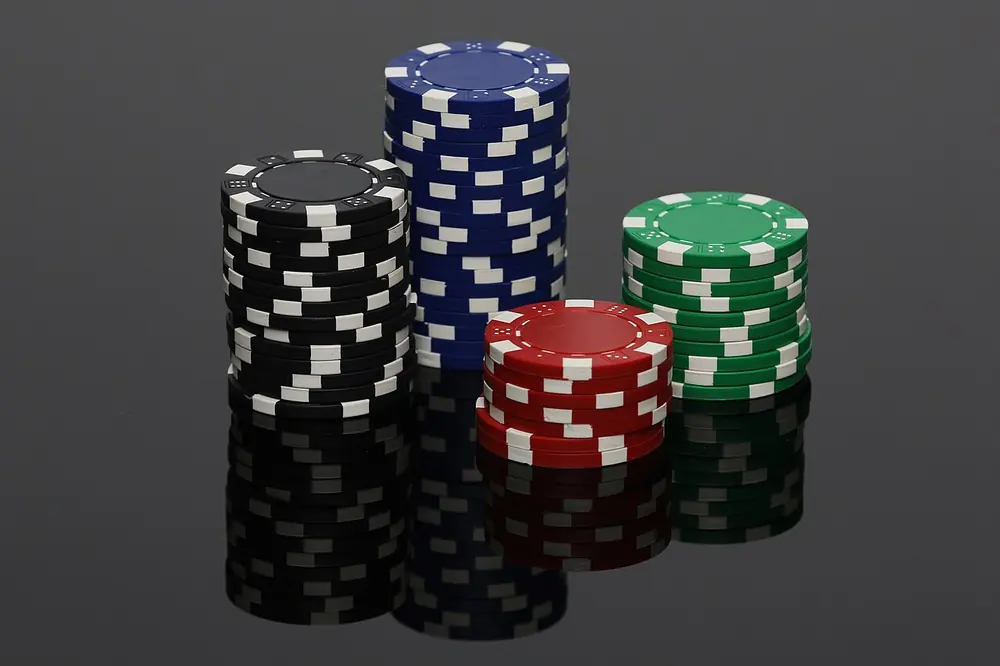
Crypto gambling blackjack is the same classic hand of twenty-one, funded with USDT or BTC instead of chips on felt. The maths does not care how you deposited. What changes is speed, table availability and how easy it is to rebuy after a bad shoe. This guide focuses on basic strategy and house edge — the parts that actually move your results.
Everything here is for adults 18+. Since the Supreme Court ruling of 22 November 2024, betting is regulated by each Nigerian state (the NLRC still covers the FCT). Cloudbet, which we link to, holds a Curaçao licence and is not licensed by any Nigerian state regulator. If betting is getting heavy, Gamble Alert is free 24/7 on +234 916 295 7989, toll-free +234 705 889 0073 / 0074.
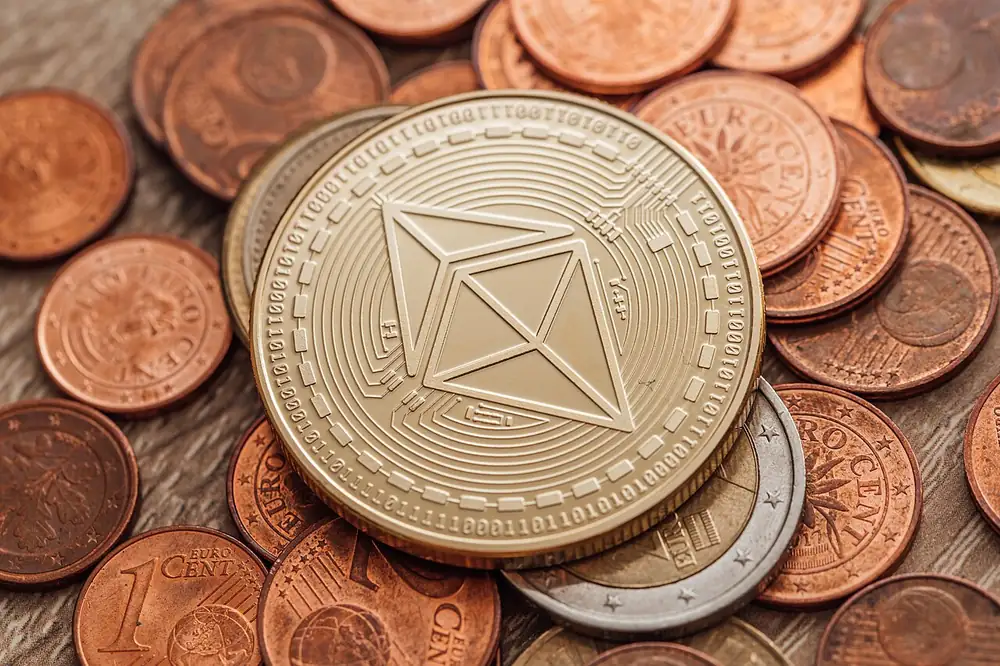
Blackjack in one minute
You and the dealer get cards. Face cards are ten, aces are one or eleven. Hit to take another card, stand to keep your total, double to double the stake for one more card, split pairs into two hands where allowed. The dealer plays last under fixed rules (for example, stand on soft 17 or hit soft 17 — the table will say). Come closer to 21 than the dealer without busting and you win even money; a natural blackjack (ace + ten-value) usually pays 3:2 on fair tables.
Why crypto tables feel different
Online crypto casinos run RNG tables and live-dealer streams. RNG hands resolve in seconds. Live dealers move slower but feel closer to a real pit. Crypto settlement means you can top up mid-session without a cashier queue — which is exactly why session limits matter more online than in a physical casino. Cloudbet’s casino sits behind a Curaçao licence and is not licensed by any Nigerian state regulator. Treat it as offshore entertainment, not a Lagos casino floor.
House edge: numbers you can trust as illustrations
Published analyses of standard multi-deck blackjack with favourable rules and perfect basic strategy put the house edge near 0.5% (half a percent). That means on US$10 hands, long-run expected loss is about US$0.05 per hand, or about US$5 per 100 hands. Play without strategy — for example always mimicking the dealer or never busting — and the edge can jump toward ~2% to ~5% depending on how you deviate. Illustrative 100-hand losses at US$10: about US$20 at 2% edge, about US$50 at 5% edge. Strategy charts are not superstition; they are the difference between a mild entertainment tax and a fast drain.
Rule changes move the edge too. Blackjack that pays 6:5 instead of 3:2 is one of the most expensive “small” changes on a table — commonly quoted at roughly an extra 1.4 percentage points of house edge versus 3:2, depending on the full rule set. If you see 6:5, walk to another table.
Basic strategy priorities (learn these first)
- Never take insurance as a default habit — it is a side bet with a steep edge.
- Hard 12–16 vs dealer 2–6: usually stand; vs 7–ace: usually hit (exact chart depends on decks and soft-17 rules).
- Always split aces and eights in standard rules; never split tens.
- Double 11 vs dealer 2–10 in common charts; be careful vs ace depending on rules.
- Soft hands (ace counted as 11) have their own chart — do not treat soft 18 like hard 18 blindly.
Print or save a basic strategy chart that matches the table’s deck count and soft-17 rule. Playing from memory after twenty minutes of crypto blackjack is how people “invent” strategy under tilt.
Side bets: usually entertainment, rarely value
Perfect pairs, 21+3 and similar side bets carry house edges far above the main game — often well into double-digit percentages depending on the bet. They exist because they are exciting, not because they are close to fair. If you play them, size them like a tip to the house, not like your main stake.
Bankroll for a crypto blackjack session
| Session pot | Base bet | Rough hands before pot risk | Note |
|---|---|---|---|
| US$50 | US$1 | Many — variance still bites | Good learning size |
| US$50 | US$5 | Far fewer | A cold shoe ends the night |
| US$100 | US$2 | Comfortable learning band | Leave when pot hits −50% or +50% |
Stop-loss and stop-win rules matter more than “feeling hot”. Crypto rebuys erase the natural end of a night at a physical cashier.
Live dealer vs RNG blackjack
- RNG: fast, perfect for practising chart discipline; easy to overplay hands per hour.
- Live: slower pace, social feel, possible camera delay; still the same maths.
Hands-per-hour drives expected loss. At 0.5% edge and US$5 average bet, 200 hands expects about US$5 loss; 600 hands expects about US$15. Speed is not free.
Crypto-specific operational tips
- Deposit only the session pot, not your whole wallet.
- Withdraw leftovers when you hit a stop rule — do not “just try slots with the rest”.
- Match coin and network on cash-out exactly.
- Expect KYC if you climb past published cumulative thresholds (Cloudbet discusses verification around US$2,200 lifetime deposits).
For casino landscape context see casino betting in Nigeria and are there casinos in Nigeria. For crypto rails generally, Bitcoin deposits at Cloudbet.
Common myths
- “The dealer is due.” Cards do not owe you a win.
- “I can feel soft 13.” Feelings are not a chart.
- “Crypto tables are rigged differently.” Use licensed RNG/live providers and published rules; superstition about chains does not replace strategy.
- “Martingale fixes blackjack.” Doubling after losses needs an infinite bankroll and no table max. Neither exists.
18+. Crypto deposits. Cloudbet is licensed in Curaçao, not in Nigeria. Ad: we may earn a commission. Bet only what you can afford to lose.
Responsible crypto blackjack
Set a session timer (for example 40 minutes). Set a loss cap and a win cap. Do not play when angry about a sports bet you just lost — that is how sports tilt becomes casino tilt. If blackjack stops being fun, step away and call Gamble Alert on +234 916 295 7989.
Counting cards online: the short reality check
Card counting is a real technique in physical shoe games with limited penetration. Online RNG blackjack reshuffles continuously in most implementations, which removes the counting edge. Live-dealer shoes may shuffle on a schedule; casinos also use continuous shufflers. Do not deposit into a crypto casino because a YouTube video promised “easy counting money”. Focus on basic strategy and session limits — those still matter.
If a live table shows a continuous shuffler, assume counting is irrelevant. If you somehow found a deeply dealt shoe with predictable rules, you would still need huge volume, low heat and emotional control. That is a professional problem set, not a weekend USDT hobby.
Choosing a table: a five-point scan
- Blackjack payout 3:2?
- Number of decks listed?
- Dealer hits or stands soft 17?
- Double after split allowed?
- Minimum bet fits a 50–100 hand session pot?
If the lobby hides rules behind pretty thumbnails, open the info panel before the first chip. Pretty art does not reduce house edge.
A worked session: what 0.5% actually looks like
Imagine a 60-minute RNG session at roughly 150 hands, US$2 per hand. Total action is about US$300. At a 0.5% house edge the long-run expected loss is about US$1.50 for the hour. At a sloppy 2% edge it is about US$6.00. At 5% it is about US$15.00. Real sessions swing far above and below those numbers — a single cold run can cost US$20 in ten minutes — but over many sessions, your strategy errors show up as that gap between US$1.50 and US$15.00 an hour. That is why the chart matters even on small stakes.
Now compare a live-dealer session at about 60 hands per hour with the same US$2 bet. Action is about US$120, so the expected loss at 0.5% falls to about US$0.60 for the hour. Slower tables are not “better odds”; they simply run fewer hands, so the house edge takes less per hour. If your goal is entertainment per naira, slower games quietly help.
Doubling and splitting: where most money is won or lost
Players lose more to timid doubling than to bad luck. When the chart says double 11 against a dealer 6, it is because that is one of the best spots in the game for you. Skipping it “to be safe” costs you long-run value. The same goes for splitting eights against a dealer 10: both options are losing propositions on average, but splitting loses less than standing on 16. Basic strategy is often about picking the smaller loss, not finding a guaranteed win. Accepting that makes the chart easier to follow under pressure.
Make sure you have enough session pot to double and split without panic. If a split-and-double sequence would wipe out half your pot, your base bet is too large for that table.
Bonuses and blackjack: read the contribution rules
Casino bonuses often weight table games lightly toward wagering requirements. Cloudbet’s terms, for example, set live and virtual table games at a 10% contribution in bonus wagering. That means US$100 of blackjack hands may count as only US$10 toward a rollover. If you are clearing a bonus, blackjack is usually a slow route. If you are not using a bonus, ignore this — just play the chart. Never assume a bonus makes blackjack “free”; check the terms page for the exact offer.
Also note Cloudbet’s welcome package is built around casino rakeback (10% of house edge) and cash drops over 30 days, up to a published US$2,500 cap. Rakeback on a low-edge game like well-played blackjack returns very little because the house edge itself is small. That is maths, not a complaint.
Table rules that quietly change the edge
Beyond the 3:2 vs 6:5 payout, a handful of rules move the house edge in small but real ways. You do not need to memorise exact decimals; you need to know which direction each rule pushes:
| Rule | Better for you | Worse for you |
|---|---|---|
| Dealer on soft 17 | Dealer stands (S17) | Dealer hits (H17) |
| Number of decks | Fewer decks | More decks |
| Double after split | Allowed | Not allowed |
| Surrender | Late surrender offered | No surrender |
| Re-splitting aces | Allowed | Not allowed |
| Doubling | Any two cards | Only on 9–11 or 10–11 |
One unfavourable rule is not a disaster. Three or four stacked together, plus a 6:5 payout, turn a near-even game into an expensive one. Spend thirty seconds in the info panel before you sit.
Surrender: the button most players never press
Where late surrender is offered, you can give up half your stake after the dealer checks for blackjack. It sounds like quitting, but on hands like hard 16 against a dealer 10, surrendering loses less on average than playing on. Basic strategy charts that include surrender list the exact spots. If the table offers it and your chart includes it, use it. Ego is expensive at blackjack.
Many crypto RNG tables do not offer surrender at all. If yours does not, ignore this section and follow the hit/stand chart for those hands.
Keep a simple session log: date, hands approx, base bet, start/end balance. After ten sessions you will see whether you are playing the chart or inventing under tilt.
Bottom line
Crypto gambling blackjack is classic twenty-one with a crypto wallet. Learn basic strategy, avoid 6:5 tables and fat side bets, limit hands per hour, and separate casino money from sports money. Cloudbet’s casino is Curaçao-licensed, not Nigerian-state-licensed. Bet only what you can afford to lose.
Questions punters ask
What is the house edge in blackjack with basic strategy?
On typical multi-deck games with fair rules, published figures sit near about 0.5%. Poor play and harsher rules raise that number sharply.
Is crypto blackjack fairer than land casino blackjack?
The maths depends on rules and strategy, not on crypto. Crypto mainly changes deposits, speed and rebuy temptation.
Should I take insurance?
As a default habit, no. Insurance is a separate bet with a high edge for the house.
What does 3:2 vs 6:5 mean?
It is how naturals pay. 3:2 is standard; 6:5 is much worse for the player.
Is Cloudbet’s blackjack licensed in Nigeria?
No. Cloudbet is Curaçao-licensed and not licensed by any Nigerian state regulator.
Where can I get help for gambling problems?
Gamble Alert +234 916 295 7989 (24/7); toll-free +234 705 889 0073 / 0074.
18+. Crypto deposits. Cloudbet is licensed in Curaçao, not in Nigeria. Ad: we may earn a commission. Bet only what you can afford to lose.
If betting has stopped being fun, talk to someone. Gamble Alert, a Nigerian non-profit, runs a free, confidential 24/7 helpline: +234 916 295 7989, toll-free +234 705 889 0073 / 0074. Source: gamblealert.org.