Betting Sites That Accept Apple Pay in Nigeria: What Apple's Own Country List Says, Why Your Naira Card Won't Load, and the Routes iPhone Punters Actually Use
Welcome bonus for new players + fast crypto payouts. Just helping a brother out.
18+. Crypto deposits. Cloudbet is licensed in Curaçao, not in Nigeria. Ad: we may earn a commission. Bet only what you can afford to lose.
Updated ·  Written by Tunde Adebayo ·
You've got the iPhone, you've seen people abroad tap their phone to pay for everything, and now you want to do the same on a betting site. You open Wallet, tap "Add Card", type in your GTBank or Access card... and it simply won't go in. Or a bookie's cashier shows a little Apple Pay logo and you wonder why nobody in your group chat uses it. Let me save you the stress, brother: there's a reason, it's not your phone, and it's not your bank being lazy. Below I'll walk you through exactly what Apple publishes about Nigeria, what "we accept Apple Pay" on a checkout page really means, the one offshore route where Apple Pay can show up, and what iPhone punters in Nigeria actually use to fund their accounts.
18+ only. Since the Supreme Court judgment in SC/1/2008 (22 November 2024), betting in Nigeria is regulated by each state, for example by the LSLGA in Lagos, with the NLRC keeping the FCT. Cloudbet, the sportsbook our buttons point to, holds a Curaçao licence and is not licensed by any Nigerian state regulator, so local complaint routes don't cover it. Apple and Paystack details below come from their own support pages as we read them in October 2026; those pages change, so treat them as a snapshot and check again before you rely on them. Naira and dollar amounts in examples are made up to show the maths.
The short answer first
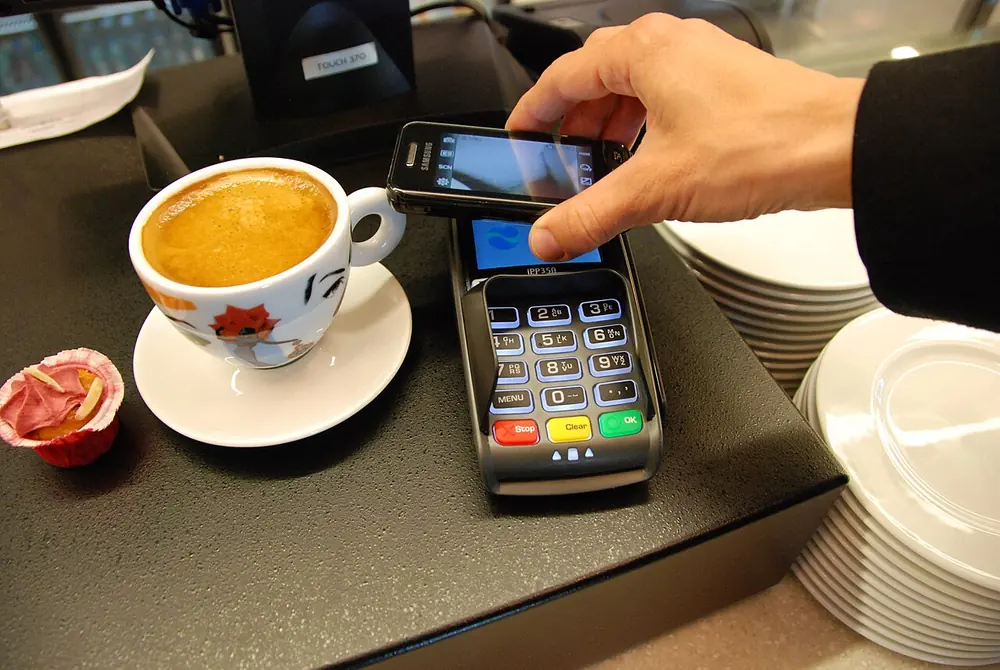
As of October 2026, Nigeria is not on Apple's list of countries and regions where Apple Pay is supported, and Apple's list of participating banks for Nigeria shows no Nigerian banks. In plain terms: a card issued by a Nigerian bank or fintech can't be added to Apple Wallet for Apple Pay. That one fact decides almost everything else on this page. A betting site can switch on Apple Pay at its checkout, but if your card can't live inside Wallet, there's nothing for you to tap.
So the honest list of "betting sites that accept Apple Pay in Nigeria", for a regular punter holding a naira card, is close to empty. Not because every bookie refuses Apple Pay, but because the payer side is missing. The few situations where Apple Pay can actually work for someone in Nigeria involve a foreign-issued card, and even then, betting has its own extra rules on top. We'll go through all of it so you don't waste data and patience trying.
What Apple itself publishes about Nigeria
Apple keeps a support page that lists every country and region where Apple Pay works, broken down by continent. When we checked the version updated in October 2026, the Africa section listed just four places: Egypt, Mauritius, Morocco and South Africa. Nigeria wasn't there. Ghana and Kenya weren't there either, if you were wondering about neighbours.
Apple also publishes, for each country, a list of banks and card issuers that support Apple Pay. On the Nigeria version of that list, we found no Nigerian banks named. That matches what Nigerian tech writers have been reporting for a while: Nigerians generally can't add their local cards to Apple Wallet, even though more and more merchants in Nigeria can now accept Apple Pay from foreign visitors.
Two things people mix up here:
- Apple Pay is the tap-or-Face-ID payment that uses a bank card stored in Wallet. That's the one that isn't available for Nigerian-issued cards.
- Your Apple Account payment method is the card or balance you use to buy apps, iCloud storage or subscriptions. Apple does publish payment options for Nigerian Apple Accounts, and many people pay for App Store purchases with their local Mastercard or Visa. That's a completely different system, and it can't be used to fund a betting wallet. Apple Account balance pays for Apple things, not for deposits at a bookmaker.
So if someone tells you "I use Apple Pay in Nigeria", ask them gently what they mean. Nine times out of ten they mean they pay for Netflix or iCloud with a card on their Apple Account, which isn't Apple Pay at all.
Why a checkout showing the Apple Pay logo doesn't change much
Here's the piece that confuses a lot of people. Payment gateways that serve Nigerian businesses have started offering Apple Pay at checkout. Paystack, for example, has a support article (edited in October 2026) explaining that businesses in Nigeria, Ghana, Kenya, South Africa and Côte d'Ivoire can accept Apple Pay from customers in supported countries such as the US, UK and Canada. It lists the currencies, including naira, and notes that USD Apple Pay payments are only for Nigerian and Kenyan businesses. It also says a business needs international payments switched on, and that Apple Pay isn't available to businesses outside Paystack's acceptable use policy.
Read that again from your side as a customer. The feature is built so that someone holding, say, a British bank card in Apple Wallet can pay a Nigerian business. It isn't built so that you, holding a Zenith card, can suddenly use Apple Pay. Paystack's own article says Apple Pay is only for cardholders at participating banks in supported countries. The merchant side opened up; the payer side didn't.
On top of that, whether a particular betting company can even switch Apple Pay on through a gateway depends on the gateway's rules for their business type and on the bookie's own setup. That's a conversation between the bookie and its payment provider. We haven't seen a local Nigerian sportsbook advertise Apple Pay as a deposit method for Nigerian customers, and you shouldn't expect one to appear soon while Nigerian cards can't be added to Wallet.
Who in Nigeria could actually use Apple Pay at a betting site
Let's be fair and cover the edge cases, because they do exist:
- Someone holding a foreign card. If you have a card from a bank in a supported country, for example a UK current account opened while you studied there, that card may sit in your Wallet and work with Apple Pay on your phone even while you're in Lagos. Whether a specific betting payment goes through is then up to that foreign bank's gambling rules and the betting site's own payment rules.
- A visitor or returnee spending a few weeks at home. Same idea: the card is foreign, so Apple Pay works on the payer side. Many foreign banks let you block gambling spending, and some block it by default on certain accounts, so check before you blame the bookie.
- A user of an offshore crypto site that runs a card-to-crypto on-ramp. Some crypto sportsbooks partner with an outside on-ramp company that may list Apple Pay among its options. We cover Cloudbet's one below. Even here, Apple Pay only helps if your card is already in Wallet, which again points back to a foreign card.
Notice the pattern. Every working case starts with a card that isn't Nigerian-issued. If that's not you, the best use of your time is picking a funding method that actually works with what you have.
Gambling payments carry extra rules even where Apple Pay works
Suppose you do have a foreign card in Wallet. Apple Pay is just a wrapper around that card. When you tap, the payment travels through the same card network and lands on the same bank's decision engine. If the bank refuses gambling transactions, or the card has a gambling block switched on, the payment fails no matter how neat Apple Pay looks on screen.
Also check the betting site's own terms. Many offshore sites restrict which payment methods they take from which countries, and some refuse card funding from certain regions completely. If the site's terms say a method isn't allowed for players in Nigeria, using a foreign card to get around that can lead to a frozen balance later, usually right when you ask for a withdrawal. That's the worst moment to discover a rule you skipped.
And remember the withdrawal side. Card payments often can't be reversed into a payout, so the site may send your winnings by bank transfer or crypto instead. Know your exit before you put money in.
Cloudbet and the Swapped on-ramp: the one place Apple Pay may show up
Cloudbet, the sportsbook our buttons link to, is a crypto-first book. You fund it with coins such as USDT or BTC and you withdraw in crypto. In June 2025, Cloudbet's own blog announced a fiat-to-crypto option through a partner called Swapped, available in what it called "select countries". The blog post didn't publish a country list.
Several third-party review sites describe the Swapped widget as offering card and wallet options such as Visa, Mastercard, Apple Pay, Google Pay, Skrill and Neteller. They also describe it as deposit-only: you pay through Swapped, Swapped turns that payment into crypto, and the crypto lands in your Cloudbet balance. Swapped charges its own fees, separate from anything Cloudbet charges.
What we could not verify is whether Swapped is offered to players in Nigeria, or whether Apple Pay appears in the widget for a Nigerian account. So here's the honest instruction: log in, open the Cloudbet cashier, and see what it shows you. If a buy-crypto option appears with Apple Pay, it will only work with a card that's already in your Wallet. If it doesn't appear, the normal route is sending crypto from your own wallet. Either way, withdrawals come back to you as crypto, not to Apple Pay.
Apple Pay versus the methods that actually work: side by side
| Funding route | Works with a Nigerian-issued card? | Where you'd use it | What to watch |
|---|---|---|---|
| Apple Pay with Nigerian card | No, card can't be added to Wallet (Apple's list, Oct 2026) | Nowhere for now | Don't pay anyone who claims to "activate" it |
| Apple Pay with foreign card | Not applicable, the card is foreign | Sites and on-ramps that offer it | Foreign bank's gambling rules, site's country rules |
| Bank transfer / USSD | Yes | Local naira bookies | Send from an account in your own name |
| Local debit card typed in directly | Often, at local bookies | Local naira bookies | OTP, card limits |
| Mobile wallet (e.g. OPay, PalmPay) | Yes, where the bookie supports it | Local naira bookies | Name and number must match your betting account |
| Crypto from your own wallet | Not card-based | Offshore crypto books like Cloudbet | Coin and network must match; offshore, not state-licensed |
The table isn't a ranking of which bookie is "best". It's a reality check on the payment method itself. Apple Pay sits in the first row for most readers, and the first row is a dead end.
What iPhone punters in Nigeria use instead
Your iPhone is still a perfectly good tool for betting; it just won't be Apple Pay doing the paying. Here's how people with iPhones typically fund accounts, depending on the type of site.
For local, state-licensed bookies
Local sportsbooks are built around naira. Bank transfer through your banking app, USSD codes, debit cards typed into the cashier, and mobile wallets cover most deposits. On an iPhone, the smoothest flow is usually your banking app plus the bookie's app or mobile site. Copy the account details or amount, switch apps, approve with your PIN or Face ID inside the banking app, and switch back. It isn't a one-tap Apple Pay moment, but it's quick once you've done it twice.
The rule that matters most: deposit from an account in your own name, the same name on your betting account. Local bookies generally pay withdrawals to a bank account in the account holder's name, so a mismatch today becomes a frozen payout tomorrow.
For offshore crypto books
Offshore crypto sportsbooks such as Cloudbet don't take naira bank transfers. You hold USDT or another coin in a wallet you control, then send it to your deposit address. On an iPhone that means a wallet app, a copied address, a matching network, and a small test first. We walk through it step by step further down.
A quick word of caution: buying crypto in Nigeria has its own rules and providers, and prices between naira and USDT move. Do your own homework on whichever platform you use to get coins, and never buy from a stranger who "guarantees" a rate.
Where the "Apple Pay betting" confusion comes from
A lot of the noise online comes from foreign websites. Search for Apple Pay betting sites and you'll see long lists written for UK, US or Canadian readers, where Apple Pay is common and local banks support it. Those lists get copied, re-titled with "Nigeria" stuck on the end, and published without anyone checking whether a Nigerian card can even be added to Wallet.
Another source is gift cards. Because Apple sells gift cards that people trade in Nigeria, some assume an Apple gift card can fund a betting account. It can't, not directly. Apple gift cards and Apple Account balance pay for Apple's own products and services. Apple has a page warning that anyone asking you to pay them with Apple gift cards outside Apple's own stores is very likely running a scam. Keep that in mind if a "betting agent" asks for an iTunes or Apple card code as a "deposit".
And finally, there are the "activation" hustlers. You may see adverts offering to "activate Apple Pay for Nigerian cards" for a fee. Apple decides which banks and countries are supported; nobody on Instagram can switch that on for you. At best you lose the fee. At worst you hand over card details and an OTP to a stranger.
18+. Crypto deposits. Cloudbet is licensed in Curaçao, not in Nigeria. Ad: we may earn a commission. Bet only what you can afford to lose.
Step by step: funding Cloudbet from an iPhone with crypto
Since Apple Pay isn't the answer for a Nigerian card, here's what the crypto route looks like for the offshore book our buttons point to. Take your time on each step the first time.
- Get a wallet you control. Install a reputable wallet app or use an exchange account that allows external withdrawals. Turn on Face ID or a passcode lock for the app.
- Hold the coin you'll send. Many Nigerian punters use USDT because it tracks the dollar. Check which networks your wallet supports (for example TRC20 or ERC20) and the fee for each.
- Open the Cloudbet cashier and choose Deposit. Pick the same coin, then pick the same network your wallet will use. The address shown is only for that coin and network.
- Copy, don't type. Use the copy button, paste into your wallet, then check the first and last few characters match. Clipboard-swapping malware exists, so this check isn't paranoia.
- Send a small test. Send a small amount first and wait for it to show in your balance. Only then send the rest.
- Note the minimum. Cloudbet shows a minimum deposit and the network fee per coin in its cashier. Sending less than the minimum can mean the funds don't credit.
- Know the way out. Withdrawals go back out in crypto to an address you paste in. Cloudbet's own article says withdrawals are typically processed within 24 hours, with the network fee shown before you confirm. Our Cloudbet withdrawal time guide covers the details.
If you've never moved crypto before, our crypto deposit guide covers addresses, networks and test sends in more depth.
A worked example: what each route costs you (made-up numbers)
Let's compare two ways a reader with a foreign card might fund an offshore crypto book with the same $50. These numbers are made up to show the structure of the costs, not real quotes.
| Step | Route A: on-ramp with Apple Pay (foreign card) | Route B: send USDT you already hold |
|---|---|---|
| Amount you start with | $50 charged to card | 50 USDT in your wallet |
| On-ramp or exchange fee (example) | $2.50 | None at this step |
| Foreign transaction or bank fee (example) | $1.00 | None at this step |
| Network fee (example) | Included in on-ramp price | 1 USDT |
| Lands in your betting balance | About $46.50 in crypto | About 49 USDT |
The point isn't the exact fee. It's that convenience usually costs something, and the card route can stack two or three fees on top of each other. Also, Route B's cost happened earlier, when you bought the USDT, so count that too. Whatever route you pick, add up every step before you decide one is "free".
Keeping your iPhone (and your money) safe
Since you'll be betting from your phone, a few habits go a long way:
- Lock the money apps. Use Face ID or a separate passcode for banking, wallet and betting apps. If your phone is snatched in traffic, you want every money app behind a second door.
- Use Screen Time if you need limits. iOS Screen Time lets you set daily time limits on apps and website categories. Some people use it to cap how long they can spend in a betting app, or have a trusted person set the passcode.
- Turn on two-factor authentication on your betting account and your crypto wallet or exchange.
- Never share an OTP. No bank, bookie or "agent" needs your one-time code to help you. That's the line that stops most account takeovers.
- Back up your wallet's recovery phrase offline. If you hold crypto in a self-custody wallet and lose the phone without the phrase, the funds are gone.
Common mistakes when chasing Apple Pay for betting
- Changing your Apple Account region to "unlock" Apple Pay. Apple Pay support depends on where your card's bank is and whether it participates, not on the App Store country you pick. Region switching can also mess up your subscriptions and purchases.
- Using a friend's foreign card. Even if your cousin abroad offers to add his card to your phone, betting with someone else's card breaks most sites' terms and can lead to the account being closed and winnings held.
- Trusting copied lists. If a "Nigerian" Apple Pay betting list names sites without ever mentioning that Nigerian cards can't go in Wallet, it wasn't written with you in mind.
- Depositing before checking withdrawals. A payment method that only works one way leaves you scrambling at cash-out time.
- Paying for "activation". There's no fee anyone can charge you to enable Apple Pay for a Nigerian card.
Will Apple Pay come to Nigeria?
Nobody outside Apple and the banks knows, and Apple doesn't pre-announce country launches. Apple Pay's Africa coverage has grown slowly, and merchant acceptance in Nigeria has moved ahead of cardholder support, as the Paystack feature shows. If Nigerian banks start appearing on Apple's participating-bank list, things change: you'd be able to add your card and use it wherever a merchant accepts Apple Pay.
Even then, betting would be a special case. Banks apply their own gambling rules, payment gateways have their own policies, and each bookie decides which methods to switch on. So don't expect Apple Pay launch day to equal "Apple Pay at every bookie" day. When it happens, the place to check first is Apple's participating-bank list for Nigeria, then your own bank's announcement, then the betting site's cashier.
How we'd check a site that claims to take Apple Pay from Nigerians
If you stumble on a site that says it accepts Apple Pay from Nigerian players, here's a simple check before you put a kobo in:
- Look at the cashier, not the advert. Log in and open the deposit page. Payment logos on the homepage footer are often global and don't reflect what's available for your country.
- Read the payment terms. Search the site's terms for "Nigeria", "card" and "Apple". Some offshore sites list countries where card funding isn't allowed.
- Check who processes the payment. If clicking Apple Pay hands you to a third-party on-ramp, that company's terms and fees apply, not just the bookie's.
- Confirm the withdrawal method. Find out exactly how and in what currency you'd be paid.
- Check the licence. For local play, look for a state licence you can verify. For offshore sites, know that a foreign licence doesn't give you a Nigerian complaint route.
Reading the error messages you'll see
When people try anyway, they usually hit one of a handful of messages. Here's roughly what each one is telling you, so you stop retrying blindly:
- "Card not supported" or "Could not add card" in Wallet. This happens before any bookie is involved. Wallet checks the card's issuer against Apple's participating list and says no. Retrying, restarting the phone or switching data networks won't fix it.
- "Contact your card issuer". Wallet is pointing you at the bank. For a Nigerian card, the bank can't enable Apple Pay on its own if it isn't a participating issuer, so the call will usually end with an apology.
- "Payment not completed" on a foreign card. If you do have a foreign card in Wallet and a betting payment fails, the issuing bank or the site's payment rules are the likely blockers. Check your banking app for a gambling block or a declined-transaction notice.
- An on-ramp asks for identity documents. Card-to-crypto services commonly run their own identity checks. That's normal for them, but read their privacy terms before uploading anything.
Hammering the same declined payment five or six times can look suspicious to a bank's fraud system and get a card temporarily blocked. One failed try is information; ten failed tries is a problem you've created.
Questions worth asking your bank
If you still want to be sure, your bank's support line or in-app chat can settle it in a few minutes. Useful questions:
- Is our card on Apple Pay's participating issuer list for Nigeria, and is there a planned date?
- Does my card allow international online payments, and is there a monthly dollar limit?
- Does the bank block gambling merchants on this card, at home or abroad?
- What fees apply to foreign-currency card payments?
Write down the answers with the date. Bank policies on international spending have changed several times in recent years, so a friend's experience from last year may not match yours today.
Quick checklist before you deposit anywhere
| Question | Tick |
|---|---|
| I know whether my card can even go into Apple Wallet (Nigerian cards: no, for now) | ☐ |
| The cashier, not the homepage, shows the method for my country | ☐ |
| I'm paying from an account or wallet in my own name | ☐ |
| I know how withdrawals come back to me | ☐ |
| For crypto: coin and network match, test send done | ☐ |
| I've set a budget I can afford to lose this month | ☐ |
My take
Apple Pay is lovely when it's available, but for a Nigerian-issued card it simply isn't yet, and no bookie can change that from their side. Don't burn time on copied lists or "activation" offers. If you bet locally, use naira bank transfer, USSD, card or wallet from an account in your own name. If you want an offshore crypto sportsbook like Cloudbet, fund it with crypto you control, check the cashier for any on-ramp options yourself, and remember it isn't licensed by a Nigerian state. Set your budget before the first deposit. If betting stops being fun, our responsible gambling page lists tools that help, and Gamble Alert answers 24/7 on +234 916 295 7989, or toll-free on +234 705 889 0073 and +234 705 889 0074.
Questions punters ask
Which betting sites accept Apple Pay in Nigeria?
For a Nigerian-issued card, effectively none, because Apple's October 2026 country list doesn't include Nigeria and no Nigerian banks appear on its participating-bank list. A site can show Apple Pay at checkout, but you can't add a local card to Wallet to use it.
Can I add my Nigerian bank card to Apple Wallet?
Not for Apple Pay, as of October 2026. Apple's participating-bank list for Nigeria shows no Nigerian banks. Paying for App Store purchases with a card on your Apple Account is a different system.
Does Paystack accepting Apple Pay mean I can use it?
No. Paystack's feature lets Nigerian businesses accept Apple Pay from cardholders at participating banks in supported countries such as the US, UK and Canada. It doesn't make Nigerian cards work in Wallet.
Does Cloudbet accept Apple Pay?
Cloudbet announced a Swapped fiat-to-crypto on-ramp for select countries in 2025, and third-party reviews say it lists Apple Pay. We couldn't confirm it's offered in Nigeria, so check the cashier. It's deposit-only; withdrawals go out in crypto.
Can I use Apple gift cards to fund a betting account?
No. Apple gift cards pay for Apple's own products and services. Anyone asking for an Apple gift card code as a betting deposit is very likely scamming you.
What should iPhone users in Nigeria use instead of Apple Pay?
Bank transfer, USSD, a debit card typed into the cashier, or a mobile wallet for local bookies, and crypto from your own wallet for offshore crypto books.
Where can I get help with gambling in Nigeria?
Gamble Alert, 24/7: +234 916 295 7989, or toll-free +234 705 889 0073 and +234 705 889 0074.
18+. Crypto deposits. Cloudbet is licensed in Curaçao, not in Nigeria. Ad: we may earn a commission. Bet only what you can afford to lose.
If betting has stopped being fun, talk to someone. Gamble Alert, a Nigerian non-profit, runs a free, confidential 24/7 helpline: +234 916 295 7989, toll-free +234 705 889 0073 / 0074. Source: gamblealert.org.